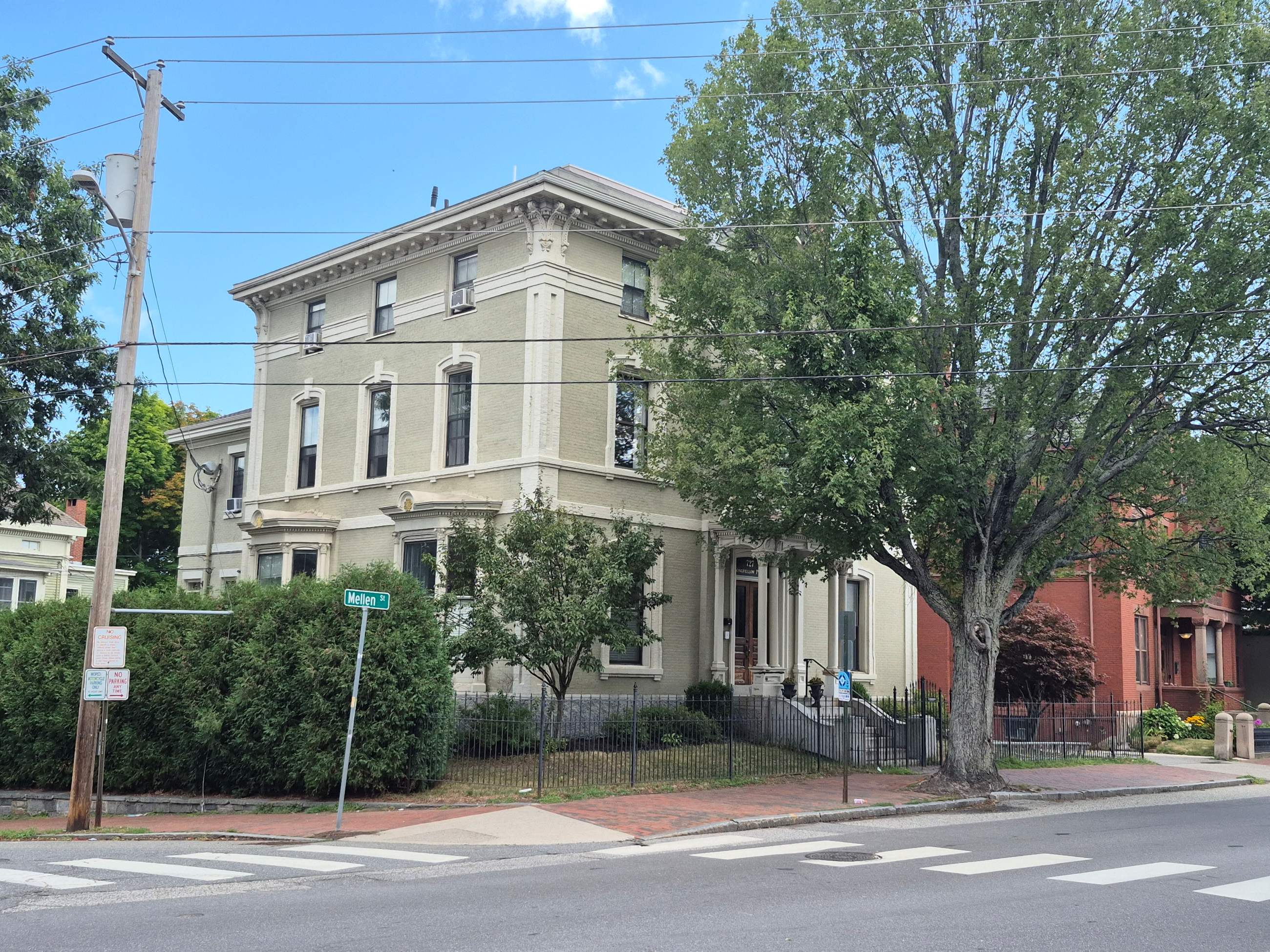
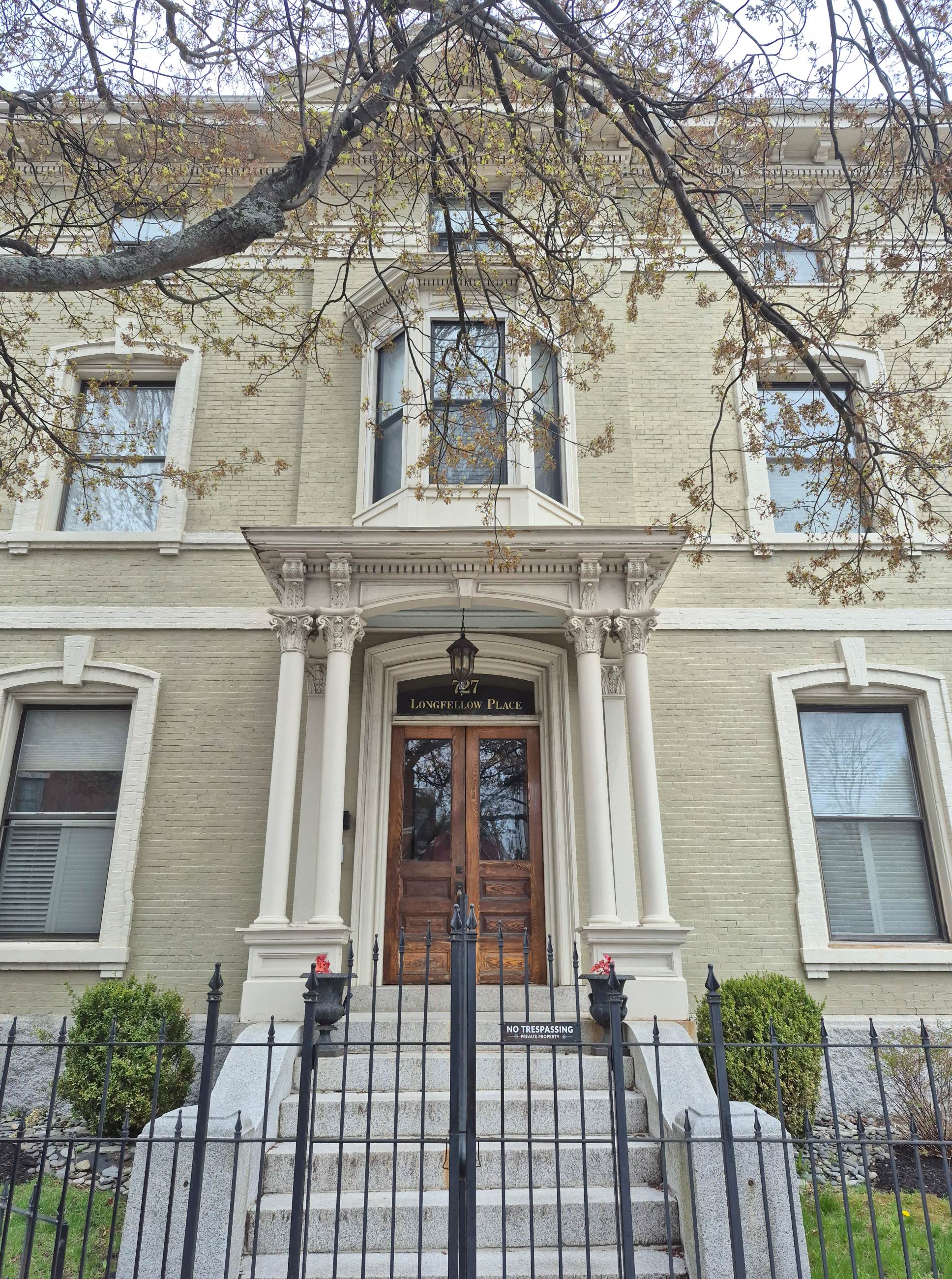
Built in 1870 for Woodbury Davis. Possibly designed by Francis Fassett
Alternative address is 1-7 Mellen Street
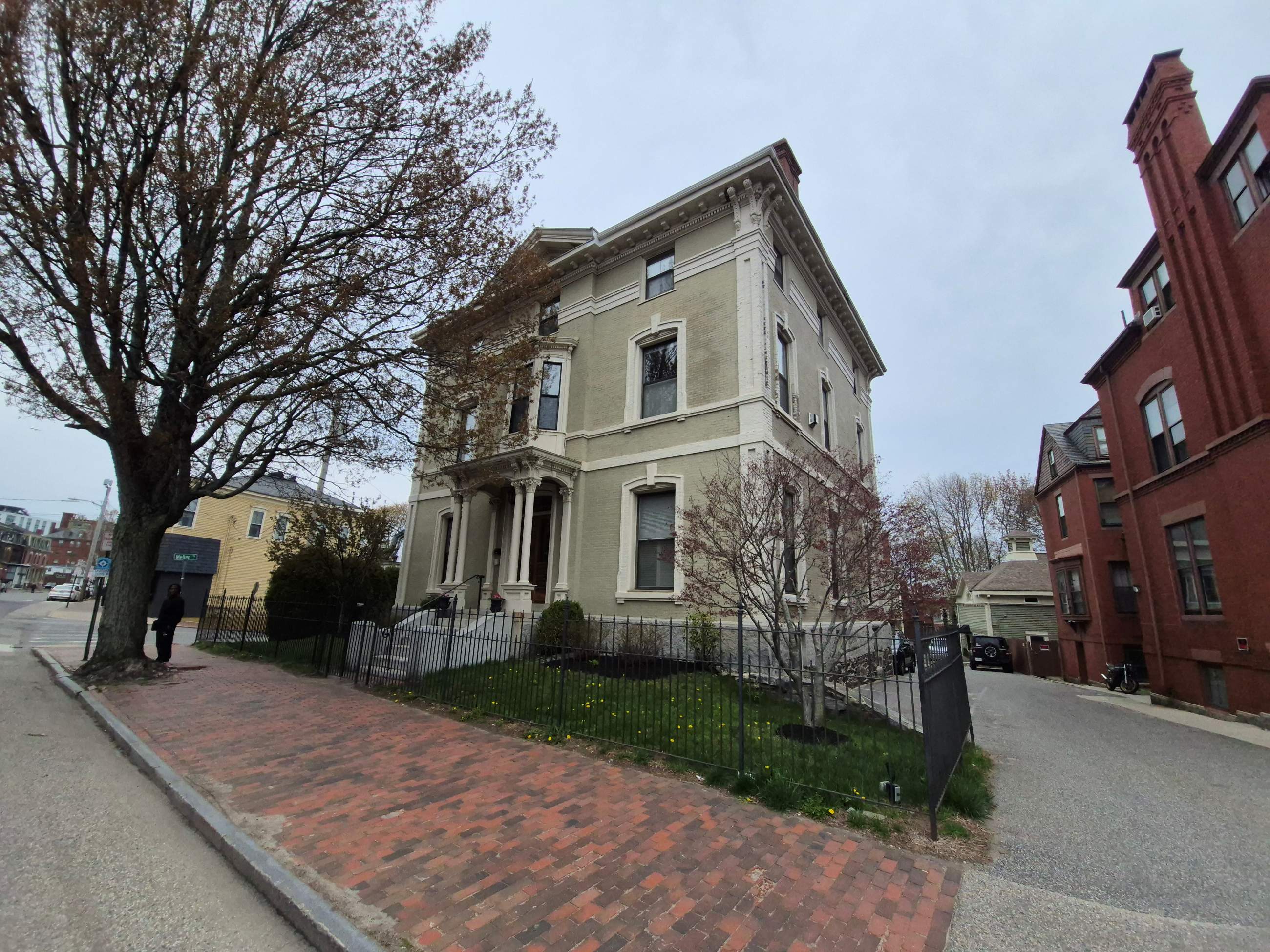
An iconic Italianate in the Congress Street Historic District.
This is part 1 of a 2 part look at 727 Congress Street. I had originally indented on a single article but Davis’ story is so complex, and deserves to be told, that I will look at his life and his family’s time here. Part 2 will look at the post-Davis history of the house.
Woodbury Davis was born in Standish in 1818. His parents, Joseph & Sarah, moved to Brooks, in Waldo County, in the early 1820s. Woodbury attended public schools. He taught in the local school system for a while along with serving as Second Postmaster. He also was a selectman. He studied law under Nehemiah Abbott in Belfast and was admitted to the bar in 1847. He then practiced law in Belfast until 1855 and was a Justice of the Peace. In 1843, he married Caroline, Carrie, Thorndike. Caroline was born in Brooks to Timothy & Eliza Thorndike in 1824. The Davis’s had a daughter, Caroline, in 1845.
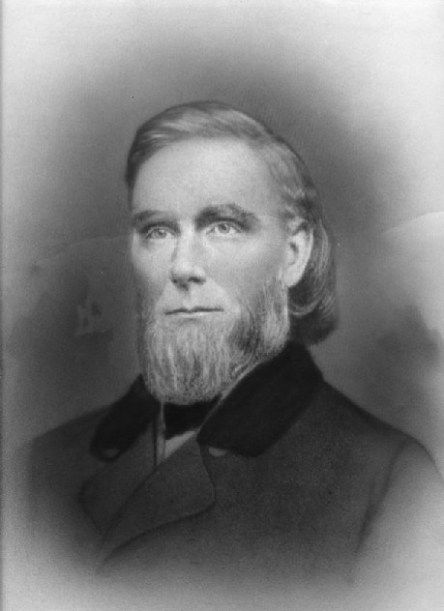
Brooks Historical Society
Woodbury Davis was named State Treasurer in 1855. That was the year the couple moved to Portland and took up residence on Free Street.
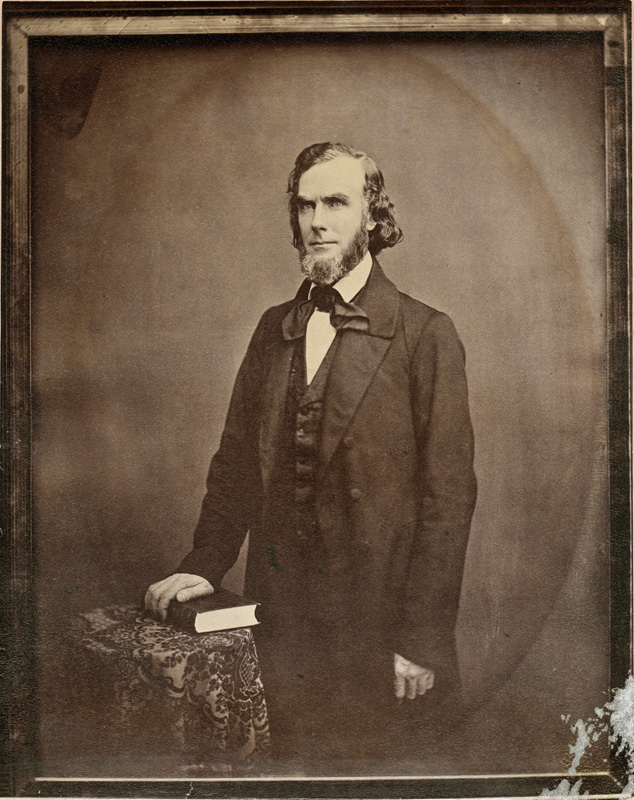
Woodbury Davis did not hold the position of State Treasurer for very long. In November of 1855, Governor Anson Morrill appointed him to the Maine Supreme Judicial Court. In those days, the governor served a single year term. This was expanded to 2 years in 1879 and 4 in 1957. Davis’ appointment was made late in Morrills term.
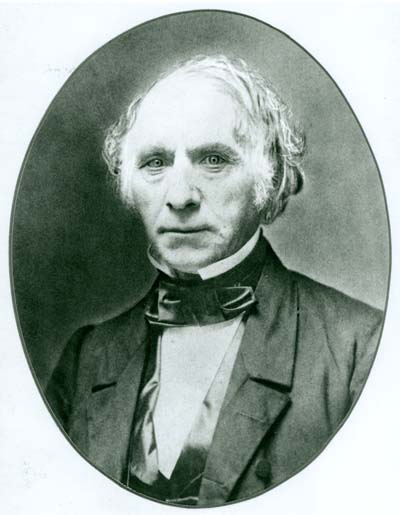
Blainehouse.org
The election of 1855 was a close affair with Morrill, running as a Republican, winning 47% of the popular vote and Democrat Samuel Wells winning 44%. The Maine constitution provided that the House of Representatives would decide a winner if no candidate won 50% or more of the popular vote. The house chose Wells over Morrill.
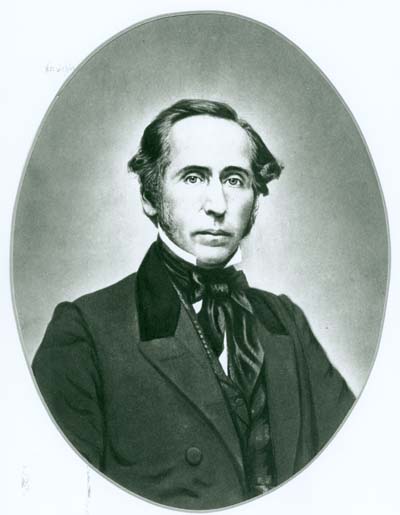
Blainehouse.org
1855 was also the year that the legislature changed the method of selecting county sheriffs and registers of probate. They had been named by the governor but became elected positions. Samuel Wells did not believe he was required to follow this change and named members of his party to the positions in all the counties. This caused a problem in that these positions were already filled by people elected to them. In Cumberland County, the two sides refused to budge leading to Wells’ appointee for sheriff, Daniel Emery of Gorham, to take possession of the jail ‘by force’.
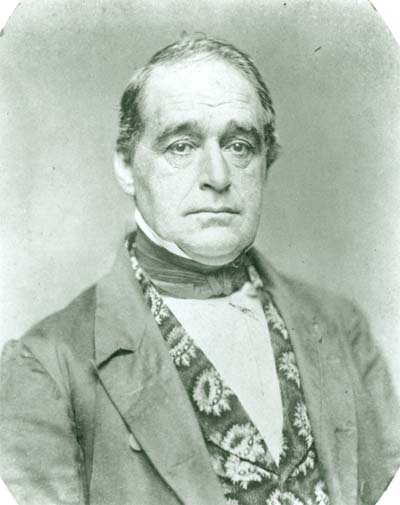
When the Maine Supreme Court met in Portland in January and March of 1856, Woodbury Davis was the presiding judge. He refused to recognize Well’s appointees of sheriff & register of probate. Instead, Davis went with Seward Baker of Windham who had been elected sheriff. Much legal wrangling took place and in April of 1856 the Maine Senate requested that the governor remove Woodbury Davis from the Supreme Court. Which he did. Davis appealed to the Supreme Court which rejected the appeal for a lack of jurisdiction. Some people at the time felt the court feared more removals if it acted against the governor.
Blainehouse.org
In what was something of a trend for him, Woodbury Davis’ absence from the Maine Supreme Court was short lived. In 1857, Hannibal Hamlin of Paris Hill was elected to the Governors office. Hamlin was a Republican who would go on the serve in the US Senate and as Lincoln’s first vice-president. Hamlin soon reappointed Davis to the court. He served until 1865.
Woodbury Davis was the most radical member of the Supreme Court. As a member of the abolitionist Liberty Party, he had advocated for abolition in the 1840s. He fought for the right to vote for blacks and spoke out against the Fugitive Slave Act. While on the court, Davis wrote opinions that challenged the Dred Scott Decision and stated that the Fugitive Slave Act was unconstitutional and Maine’s anti slavecatching laws were constitutional. An article in the January 2024 issue of the Boston College Law Review called Davis a “Antebellum Enigma”. The article looks at Davis’ belief that the US Constitution was in fact an anti-slavery document. Davis held that the Constitution had placed the issue of slavery in the hands of the states and therefore needed no amendment to abolish it. He also held that the states, not the Federal government, had the power to determine citizenship. He never gave up his beliefs even when they were far outside of the mainstream for the time.
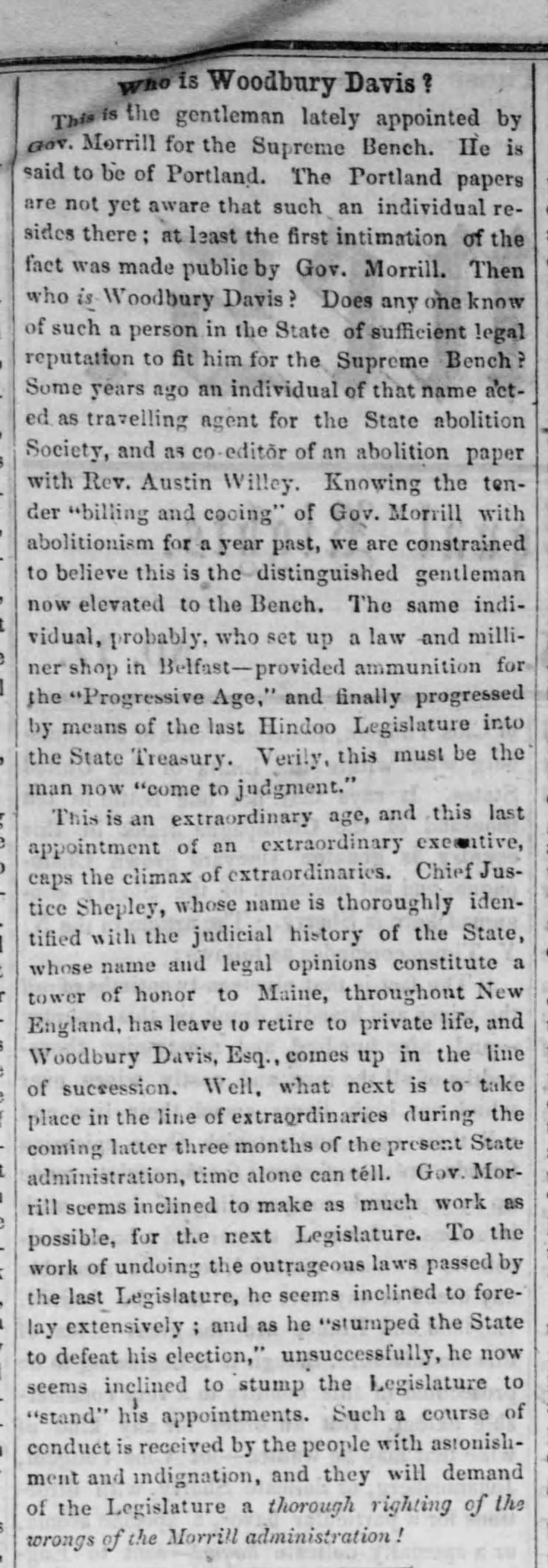
In December of 1865, Woodbury Davis was appointed Postmaster for Portland. The position was part of the ‘spoils’ system and was subject to change if the US President changed party. it was an odd choice that was orchestrated by William Pitt Fessenden, then a US Senator. Davis was for Reconstruction and the President, Andrew Johnson, wasn’t. The December 21 1865 edition of the Eastern Argus opined that Davis would act to thwart Johnsons attempts to slow or stop Reconstruction. This does not seem to have happened.
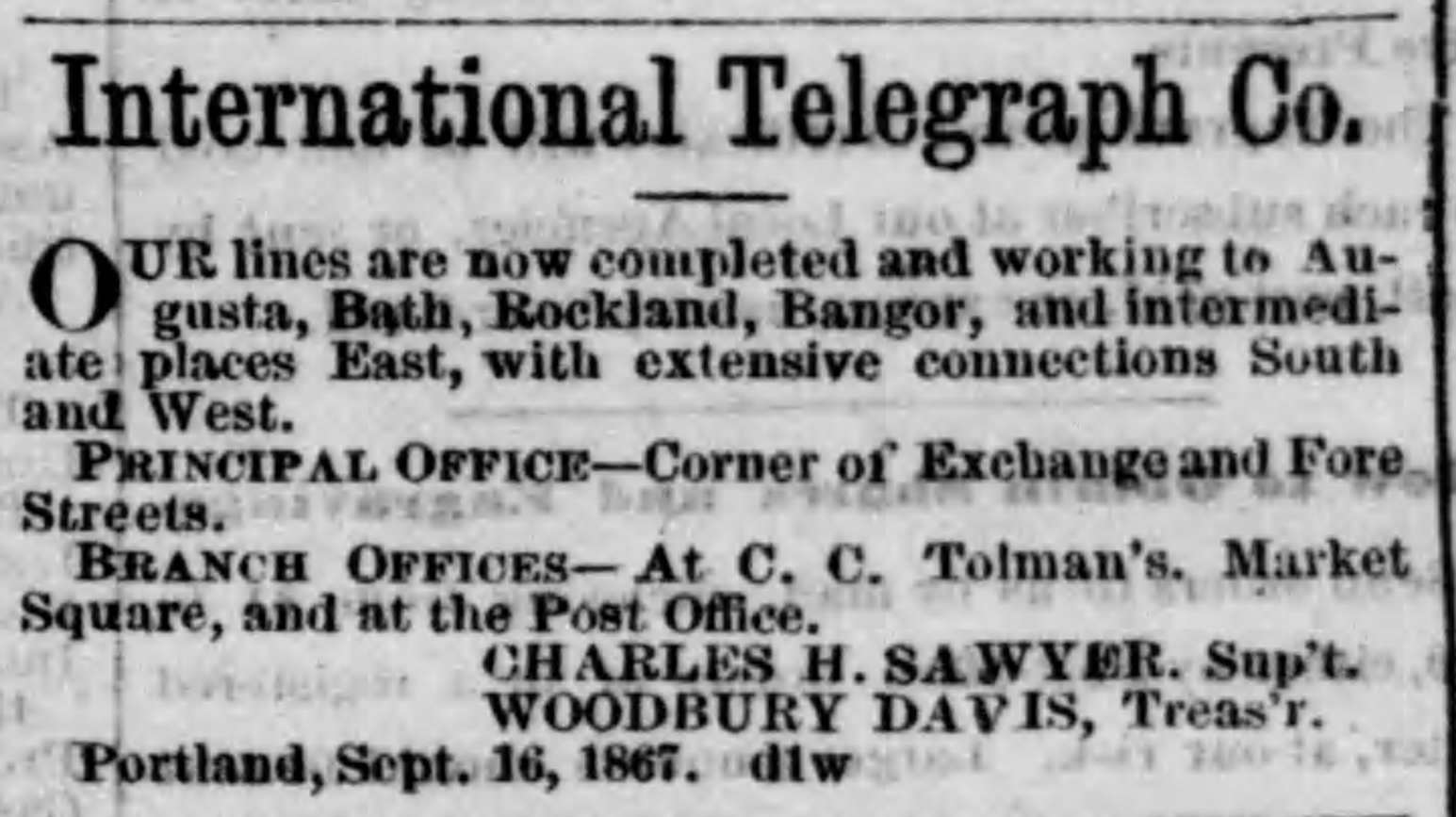
Davis was regularly mentioned in the press for his work on the subject of temperance and prohibition. This was another long held belief of his. Woodbury Davis served as Postmaster until his death in 1871. He also practiced law and was the treasurer of the International Telegraph Company and was a director of the Crown Copper Mining Company. He was a commissioner of the rebuilding loan fund set up after the Great Fire of 1866 and was a trustee for the Portland & Ogdensburg Rail Road.
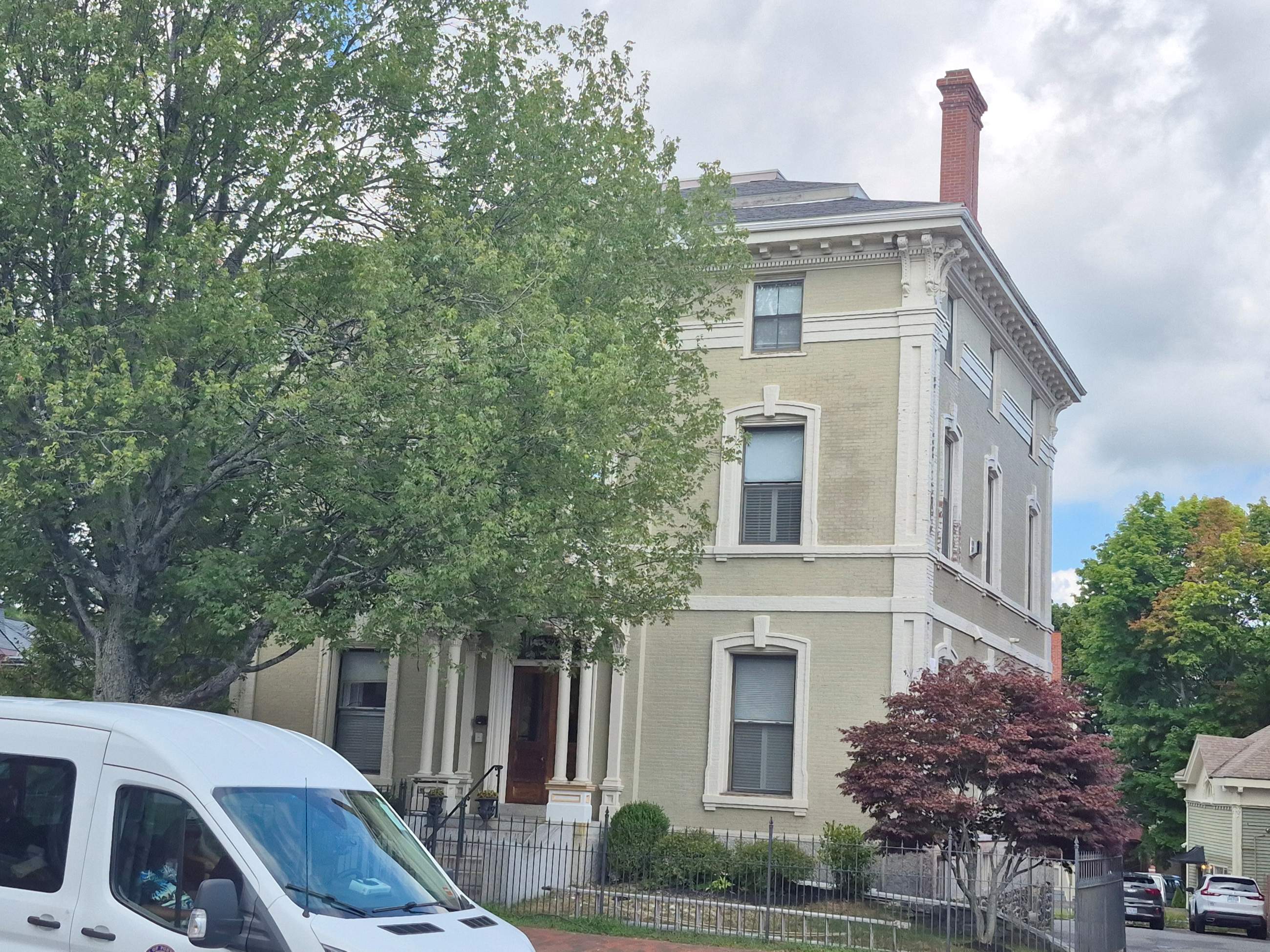
In August of 1869, Woodbury Davis purchased the land at the corner of Congress & Mellen Streets from the heirs of James Deering. He paid $2970.00 for the lot. There he built a home for himself and his family. It is quite large for a family of 3 and a domestic or 2.
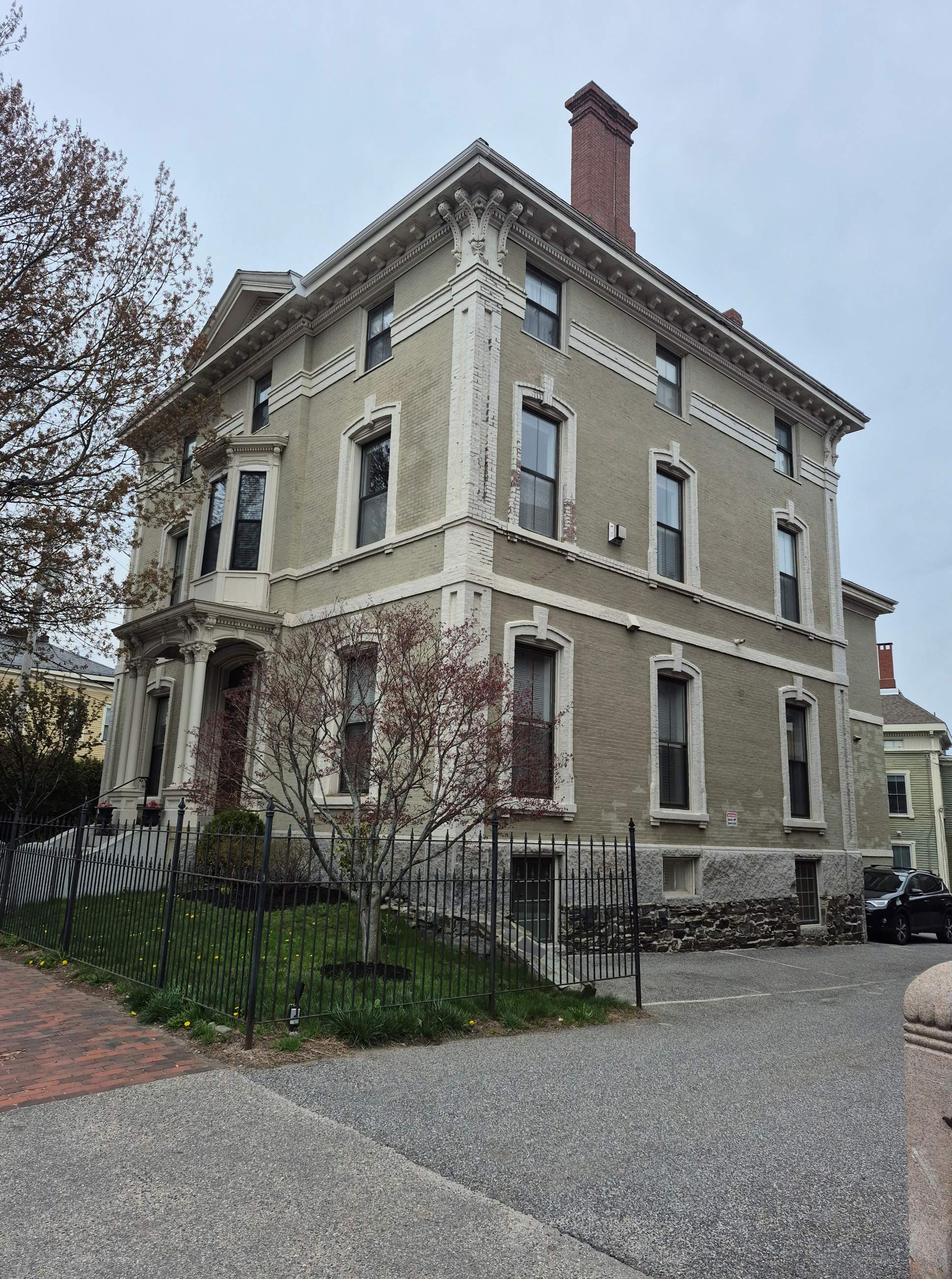
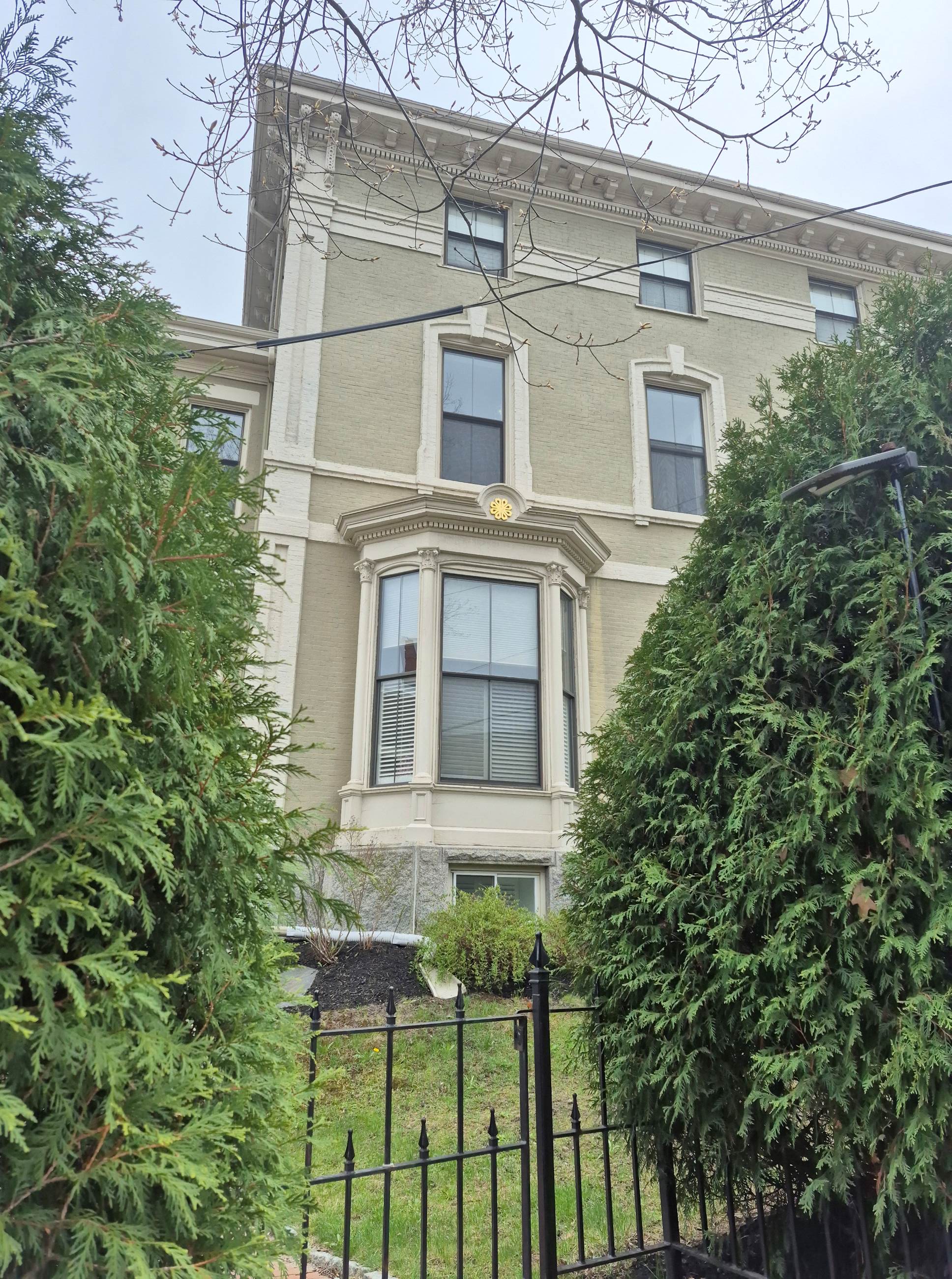
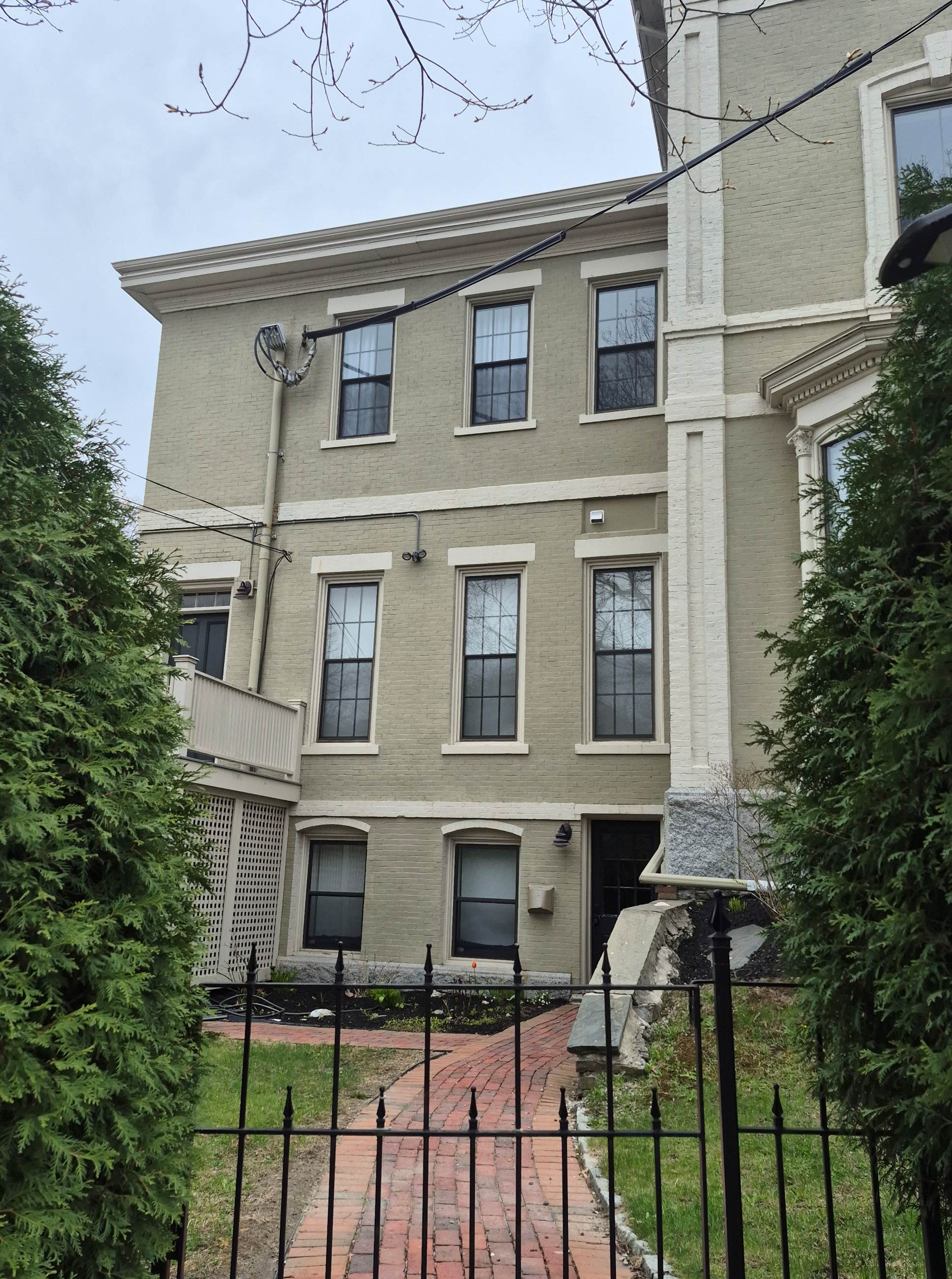
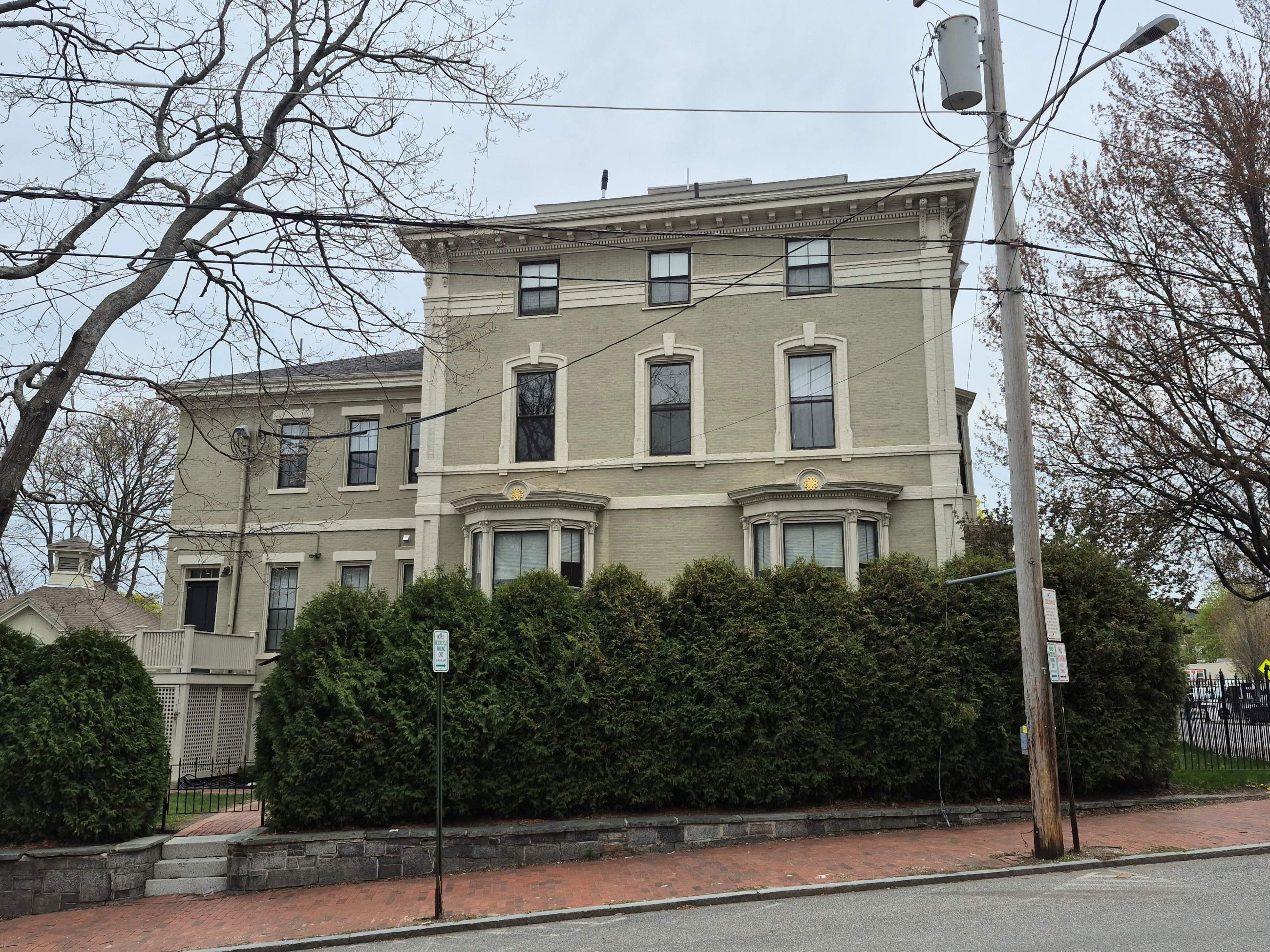
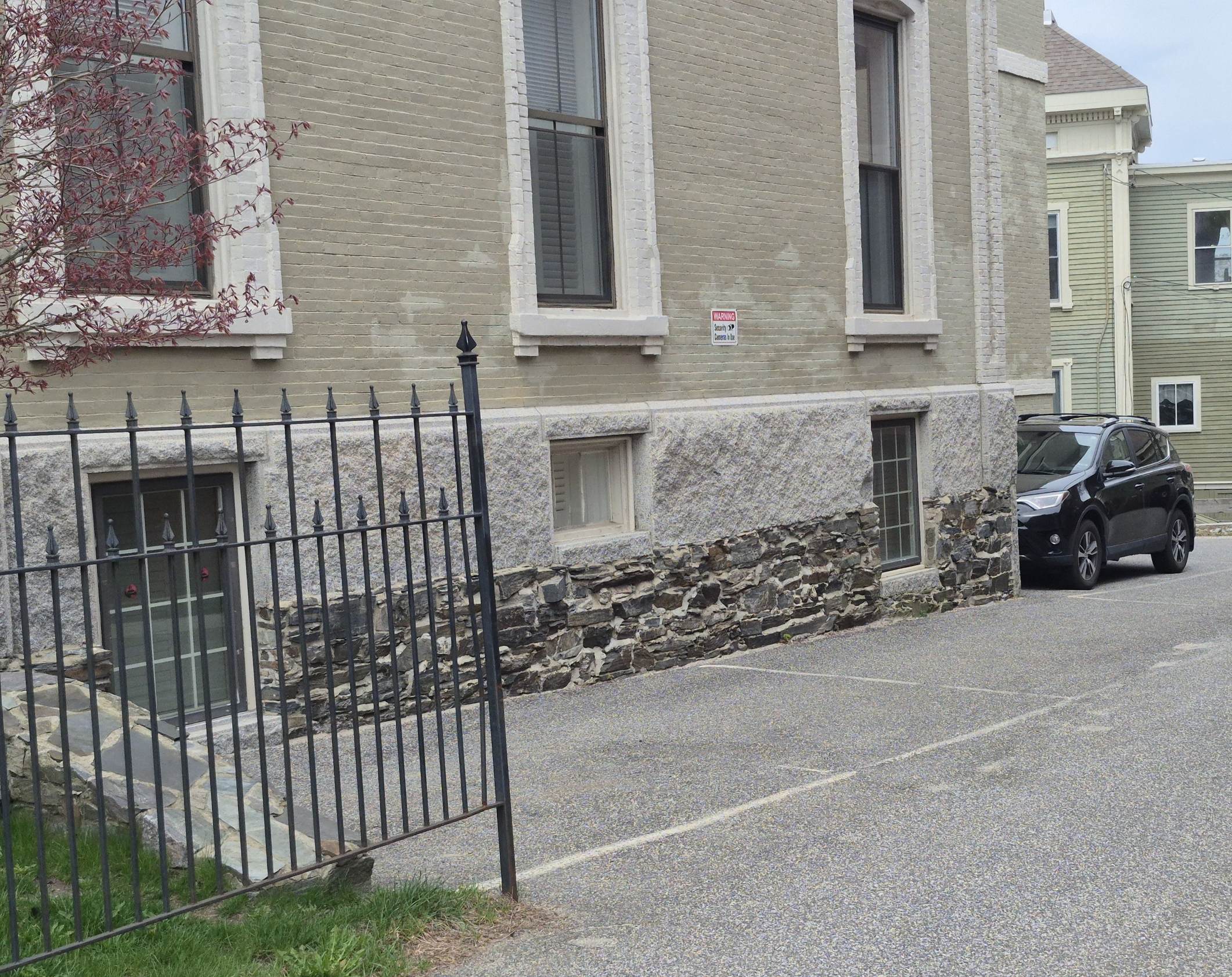
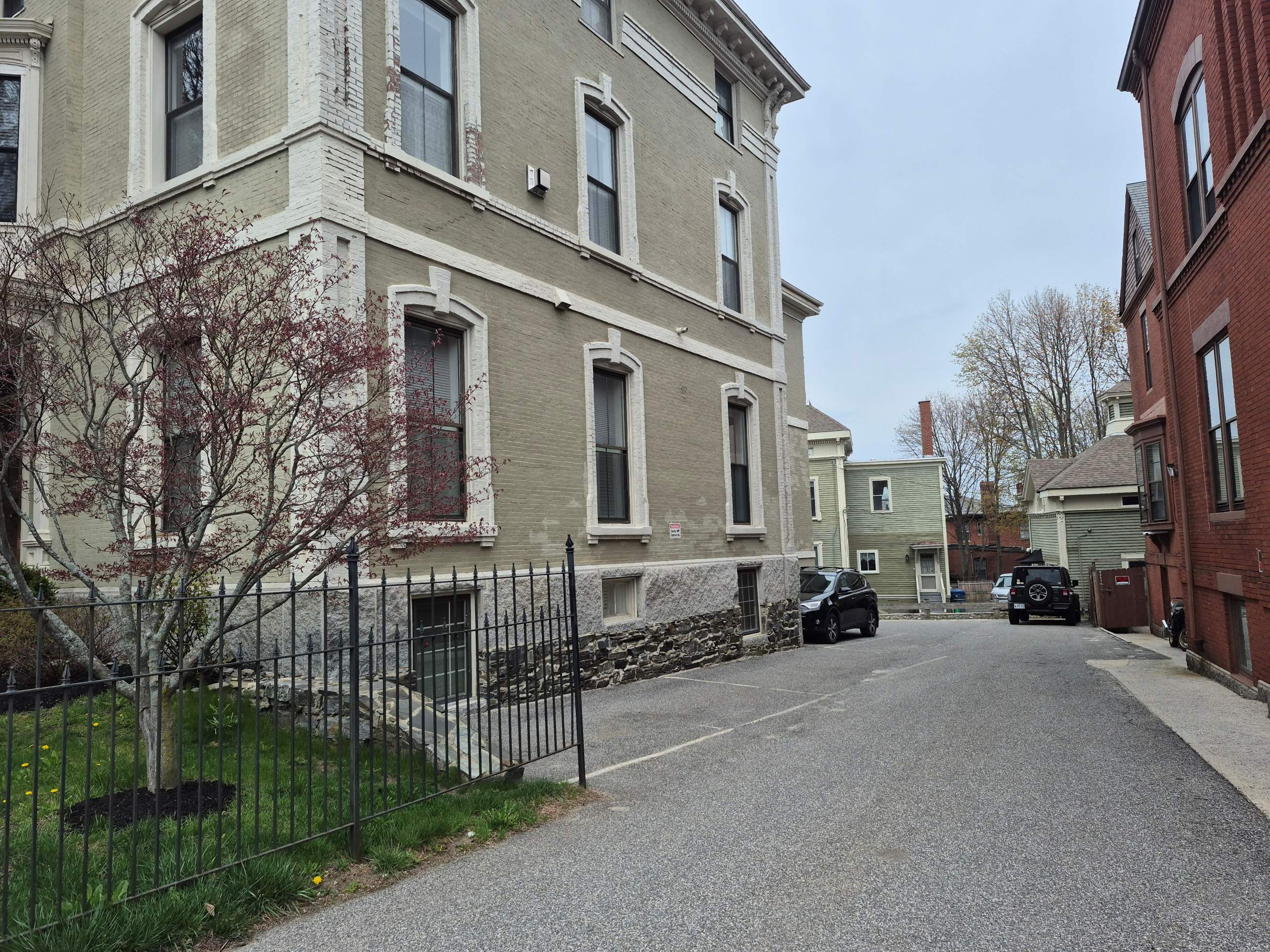
727 Congress measures 44.5′ wide by 38′ deep and is 2 full stories with a 3rd in the garret. The ell is 30′ x 24.5′ and is 2 stories excluding the basement. Built of brick, it has strong string courses delineating 1st and second floors. A triple course cuts the 3rd floor windows. The middle bay of the primary facade projects slightly emphasizing the porch with its Corinthian columns and carved moldings. Above this is a tripartite window that projects from the wall. The corners utilize inset panels and paint to create a pilaster effect that is heightened by the substantial brackets at the cornice line. The wall is capped with dentils and the cornice has a row of corbels at its base. While there is no attribution, all of these elements lead me to believe that Francis Fassett designed the home.
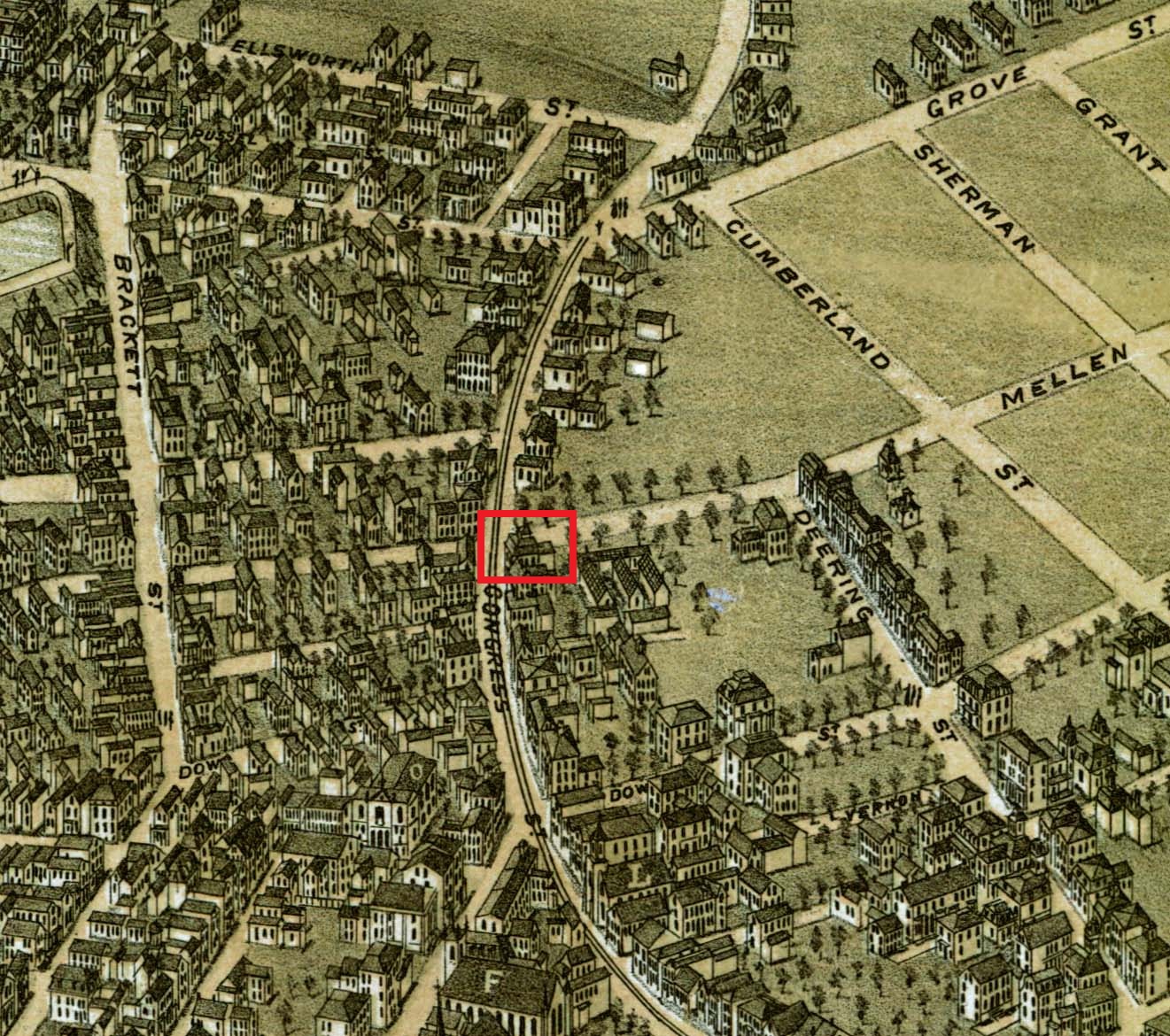
The 1870 census listed Woodbury, Caroline the elder and younger as well as a domestic servant named Fanny Fobes. Fanny was 28 and born in England. The 1870 census was enumerated on June 13th of that year. 9 months doesn’t seem like enough time to build our subject but construction was a quicker process in those days. As it wasn’t until the 1880 census that street addresses were noted and, lacking an 1870 city directory, I cannot say for sure they were living here by then.
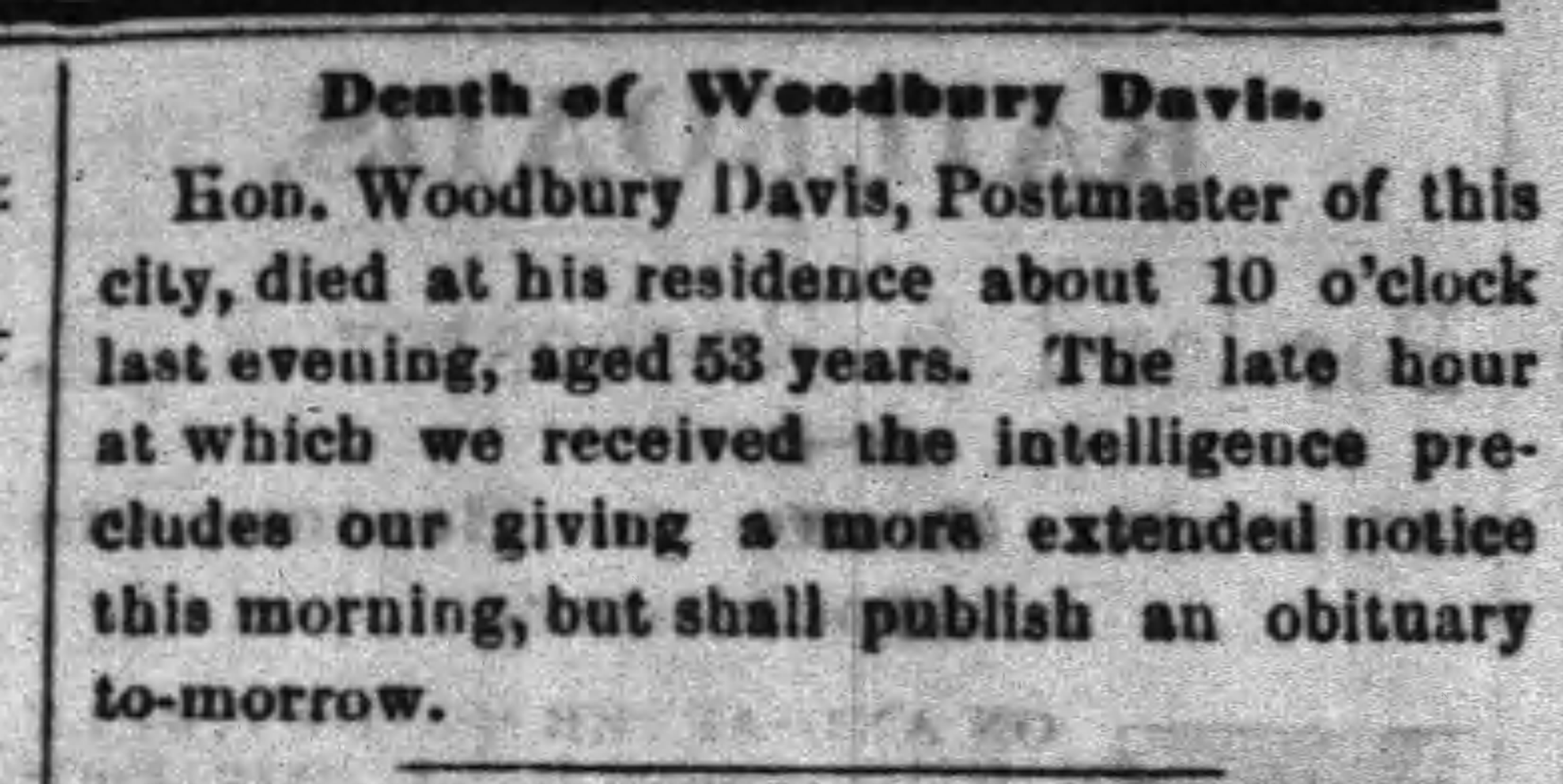
Woodbury Davis died on August 13, 1871. Some sources say he died of consumption but his obituary states that it was “undoubtably an internal cancerous affection”. He was 53 years old. Caroline the elder and younger continued to live here until 1874 when it was sold to James Champlin. The younger Caroline Davis died in 1879. The elder in 1894.
This ends part 1 of our look at 727 Congress Street. Part 2 will pick up with James Champlin’s ownership.
If you like what you just read, please consider buying me a coffee. Thank You