
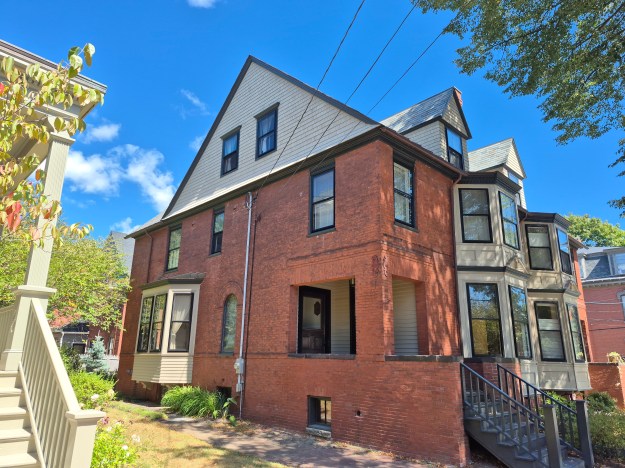
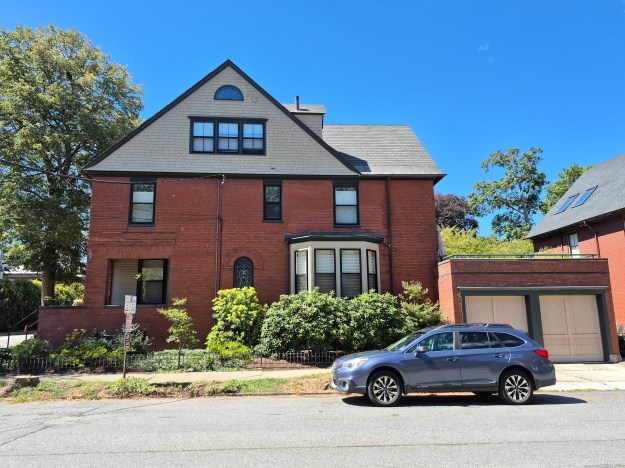
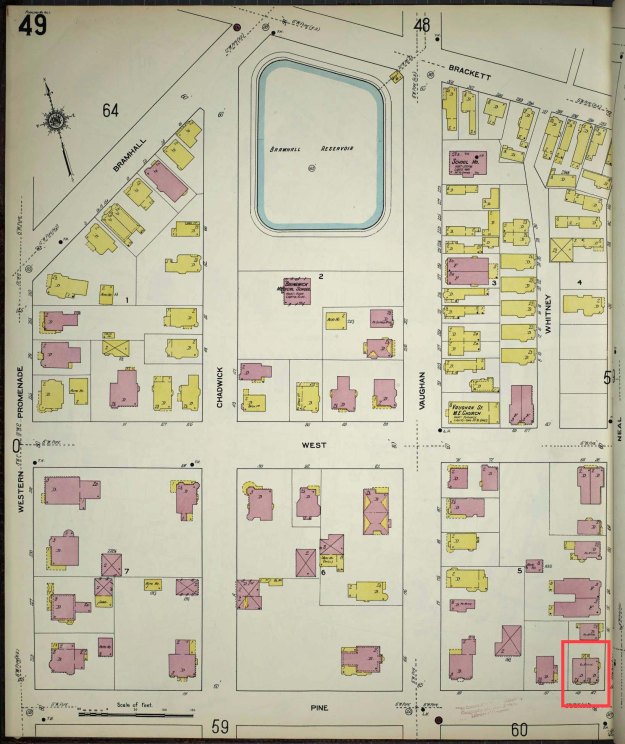
Built in 1895 for Charles & Ida Allen. Design by John Calvin Stevens
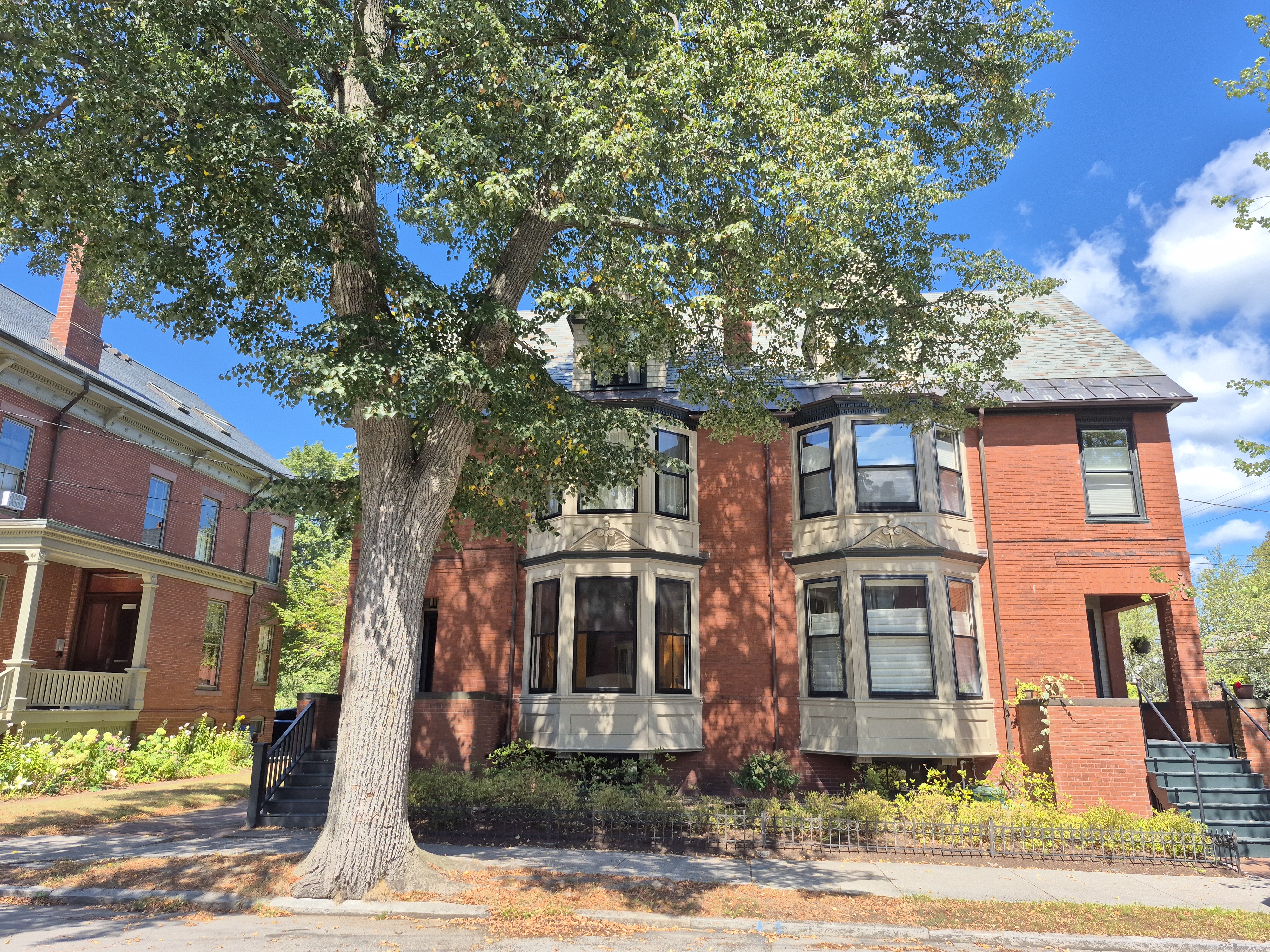
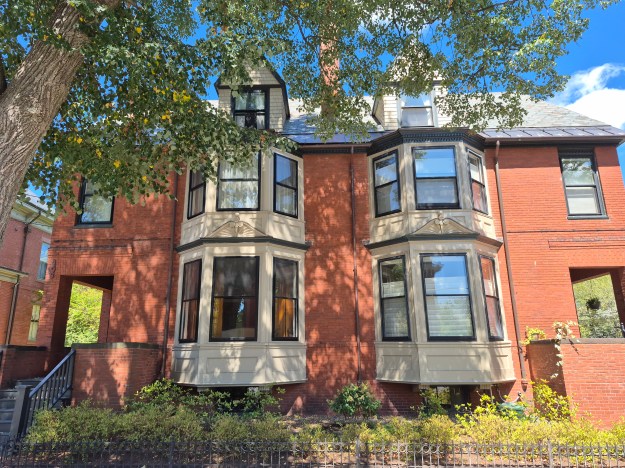
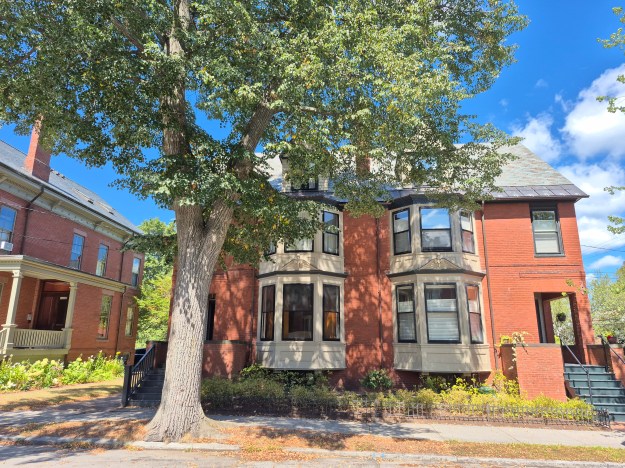
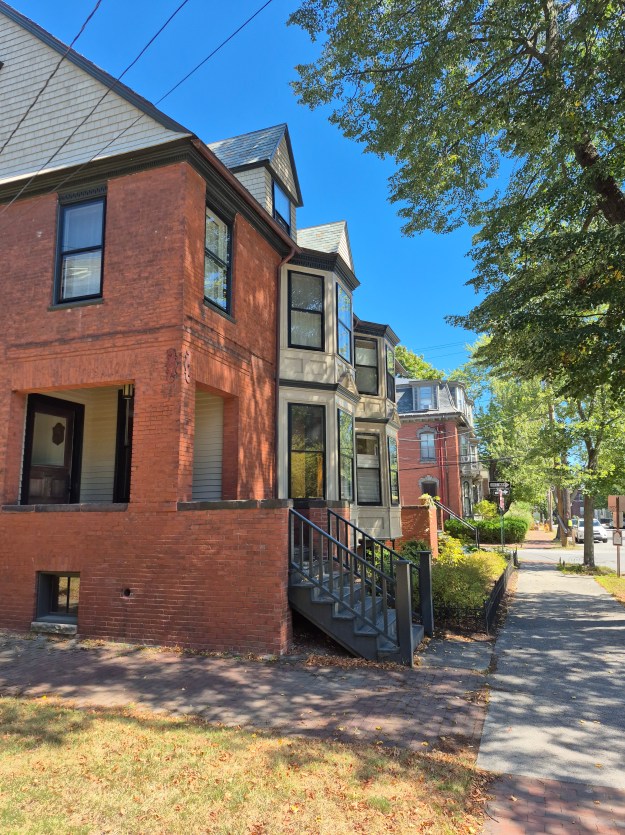
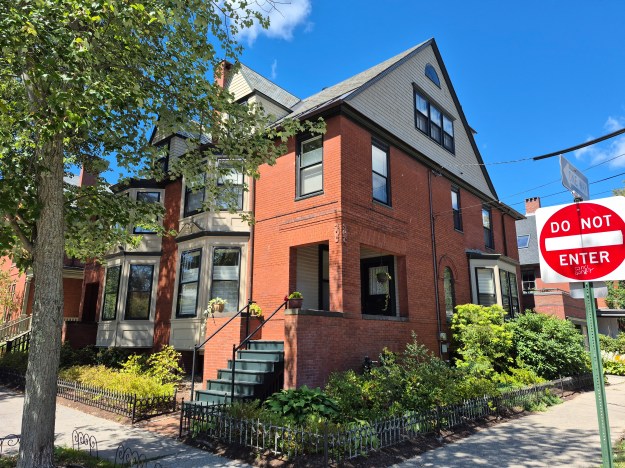
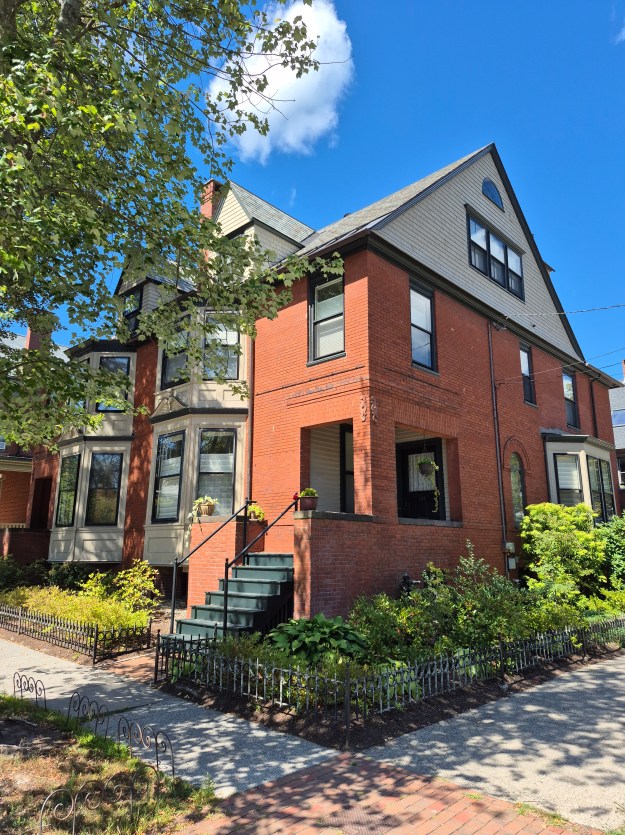
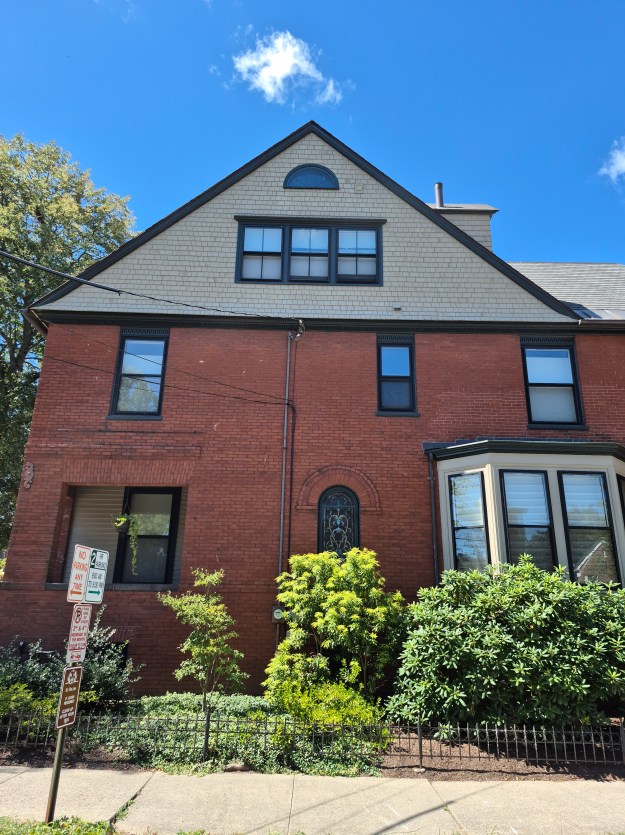
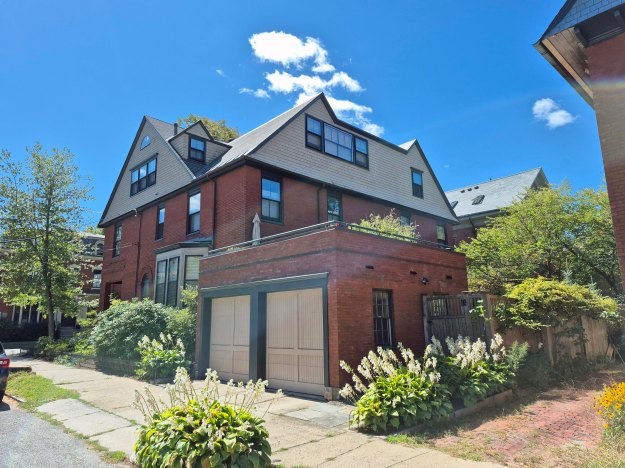
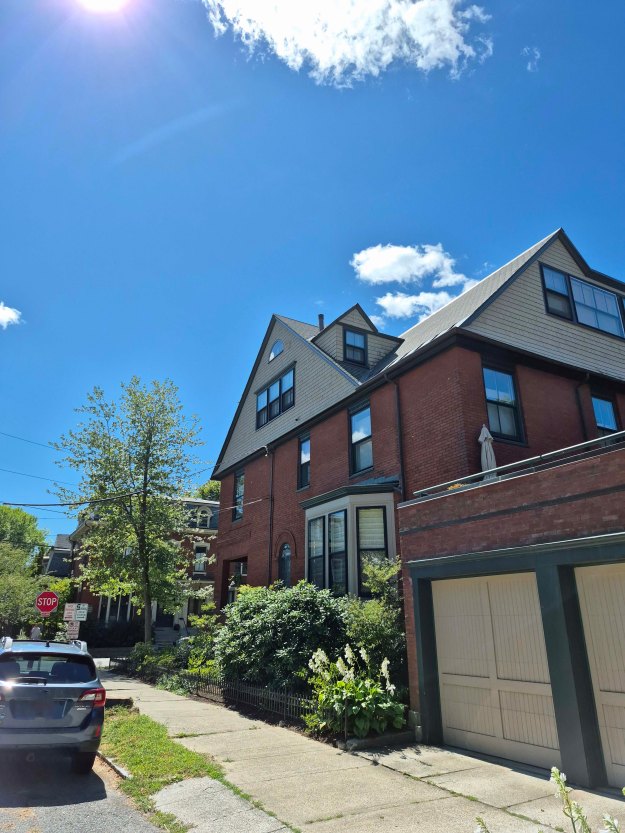
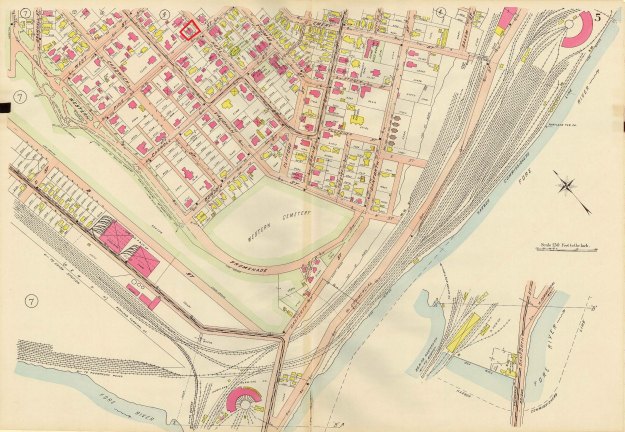
The westerly half of a Colonial Revival double/row house in the West End neighborhood.
Author’s note: This is part 1 of a 2 part series on 147-149 Pine Street. In this part, we will look at the design of the whole block as well as the history of 149 Pine Street. 147 Pine Street will be the subject of part 2.
Row houses were not uncommon in Portland although they never seemed to work out for those who hoped for a return on their investments. The Park Street Row, John Neal, and the Hamblens all tried and failed to develop the style in 1830s. There was little incentive after that until the 1850s when the Chase Brothers had some success. After the Civil War for it became more common. These all were of the ‘common’ 3 or 4 story, relatively flat-fronted buildings set close to the street.
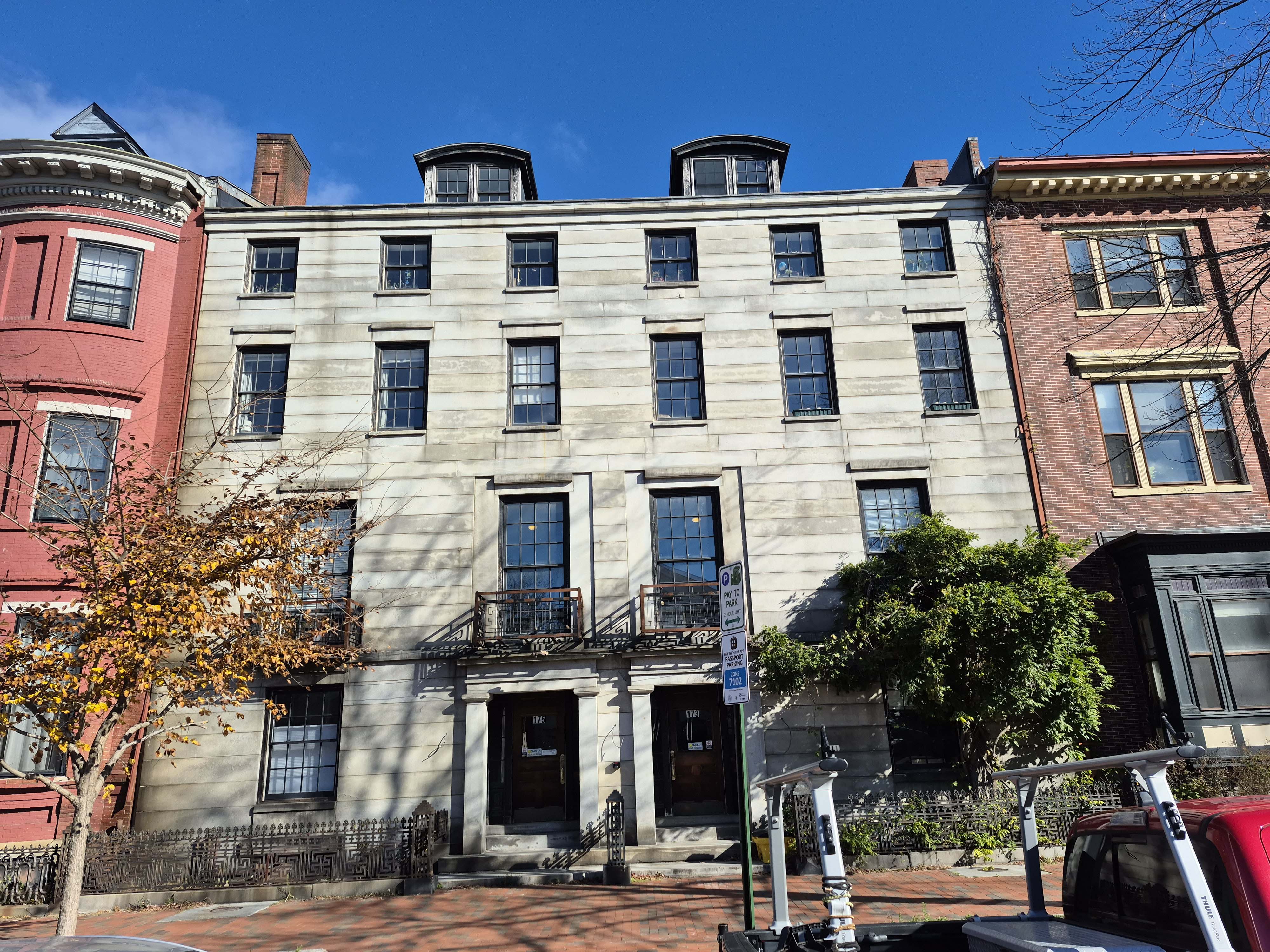


As with many of his works, John Calvin Stevens saw the row/double house in a different light. He based his plans on his earlier shingle houses which were lower, usually 2 stories, wider, and deeper and tended to be set back from the lot lines. Unlike the shingle houses with their broad gambrel roofs, these row houses had ‘conventional’ gabled roofs.
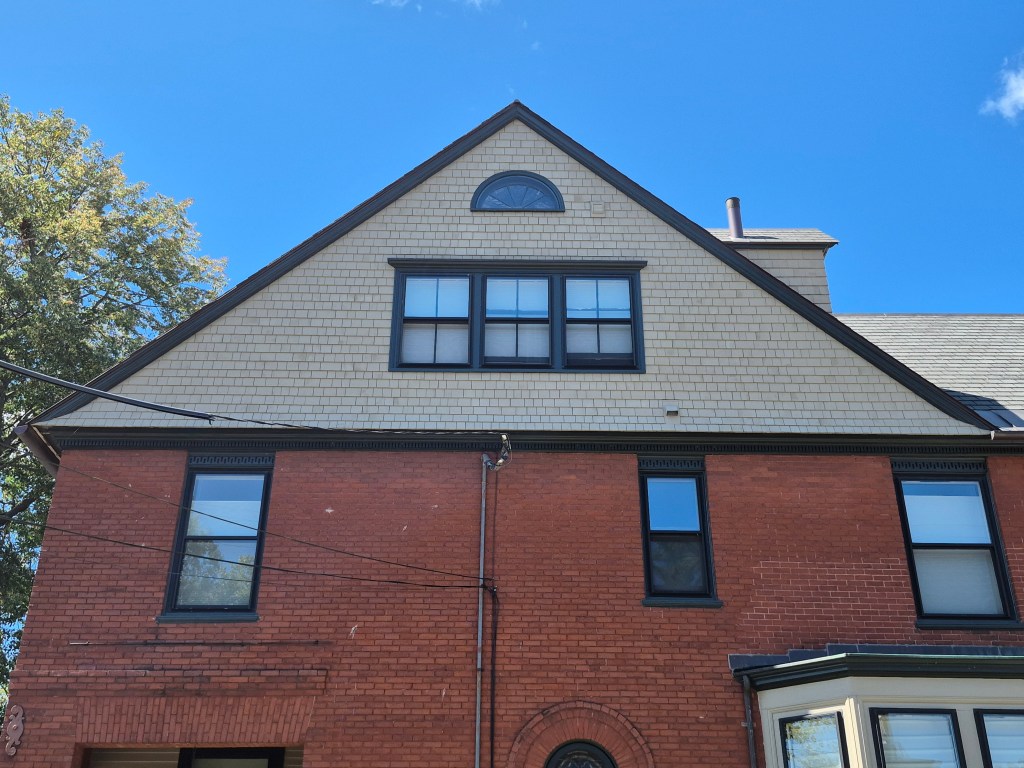
His first foray into the style, as best I can determine, was in 1892 when he designed a pair of double houses on Spring Street for William Stevens. In 1894, Stevens executed a design on Thomas Street for James Waugh. In 1907, Stevens executed a pair of more formal double houses on Neal Street. These were all smaller in massing and had Colonial revival influences. For the most part, they all followed a common theme of entry and stairs on the exterior wall and living spaces on the shared-wall side.


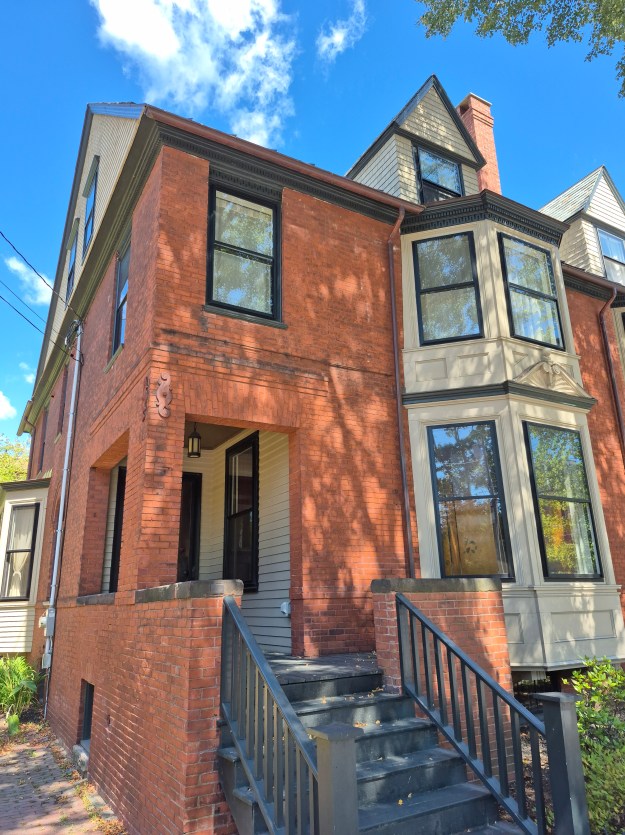
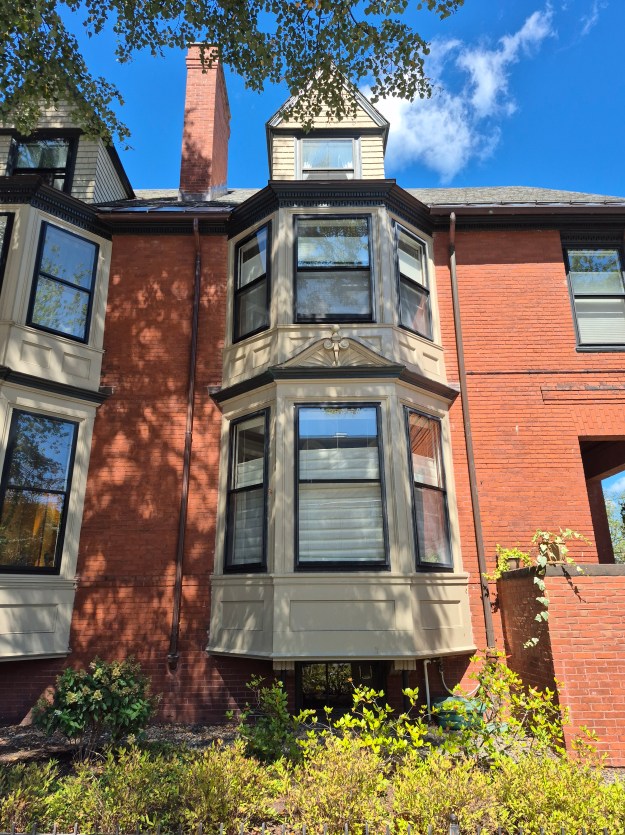
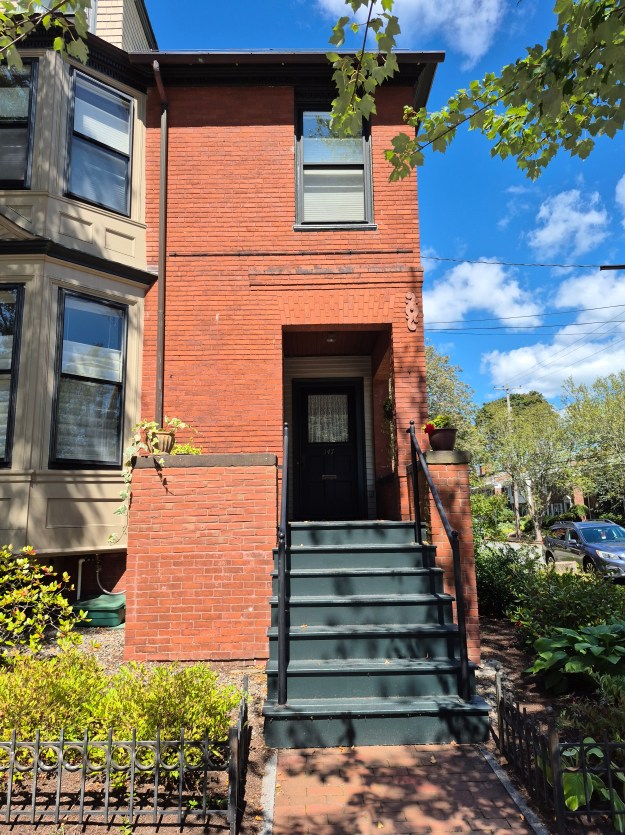
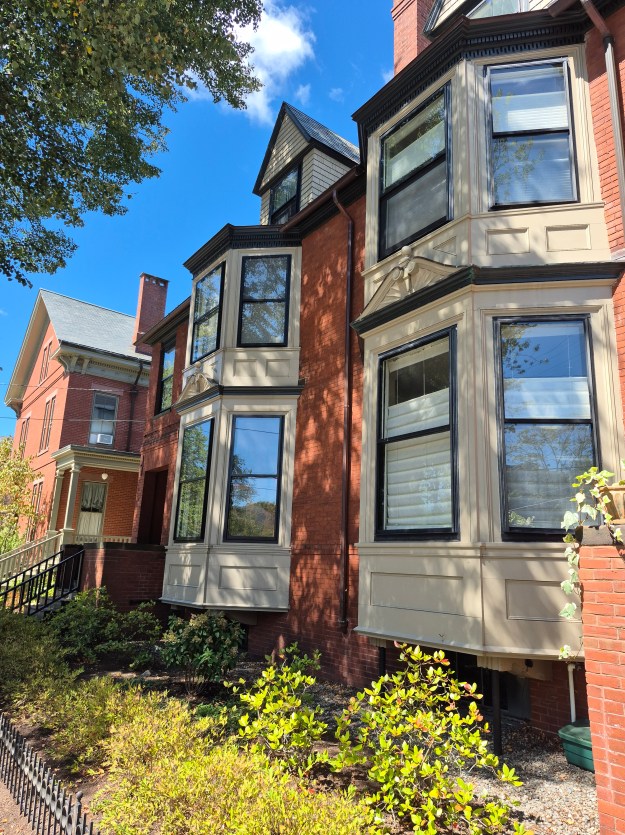
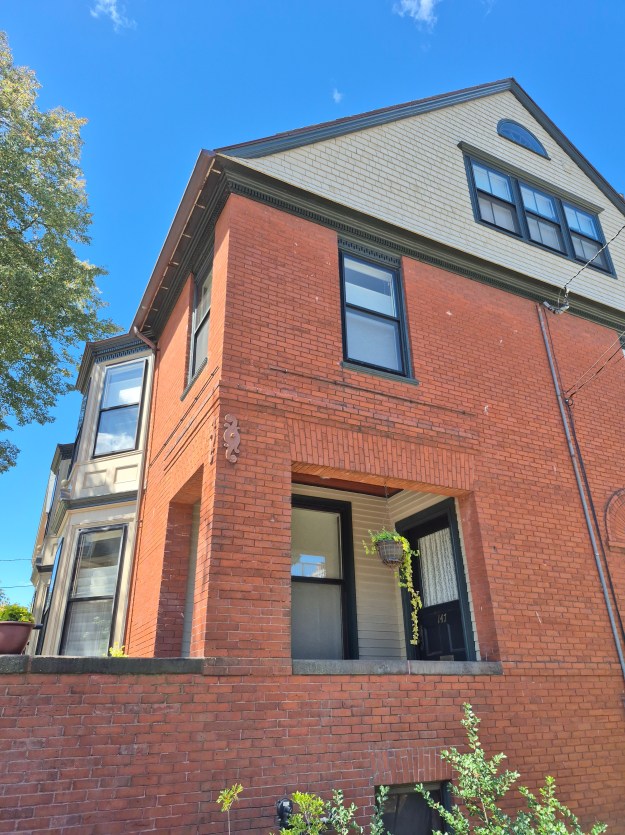
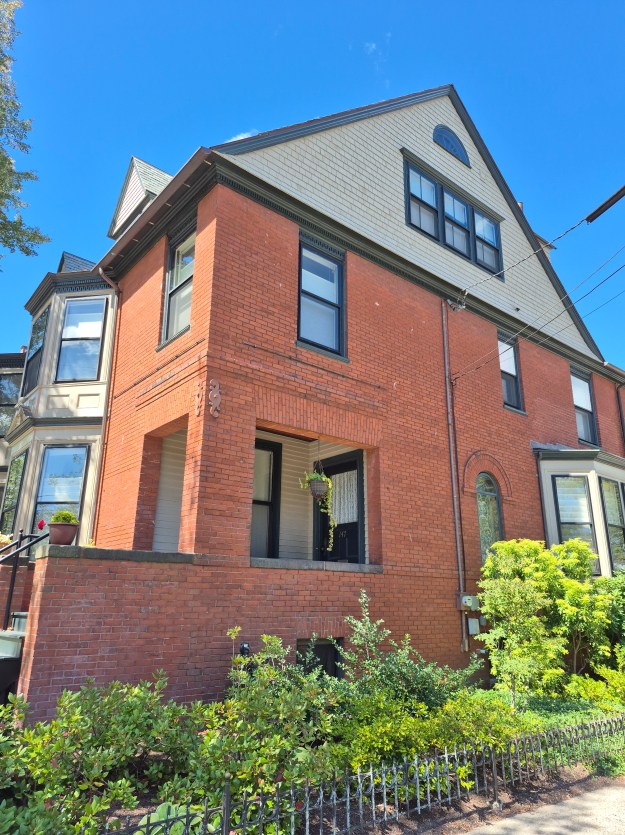
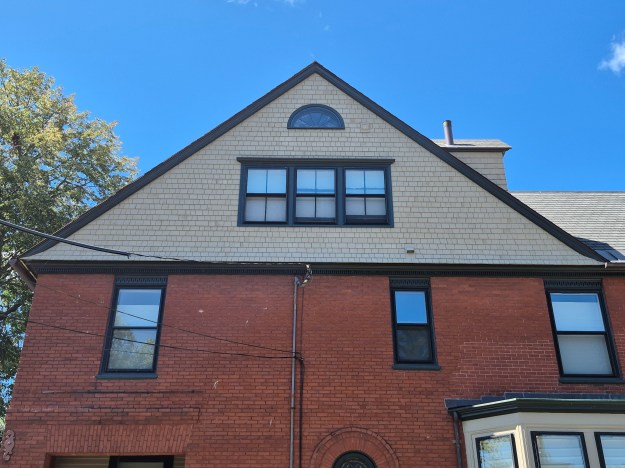
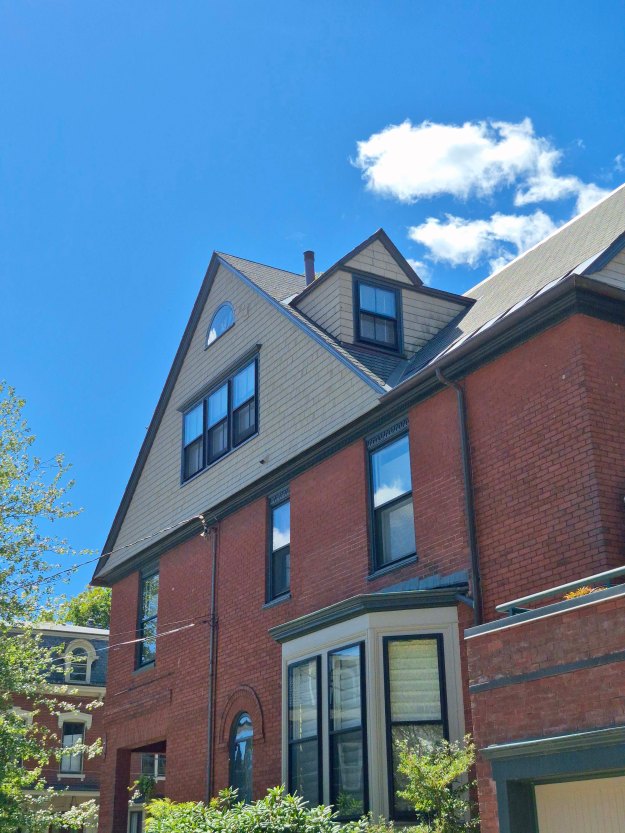
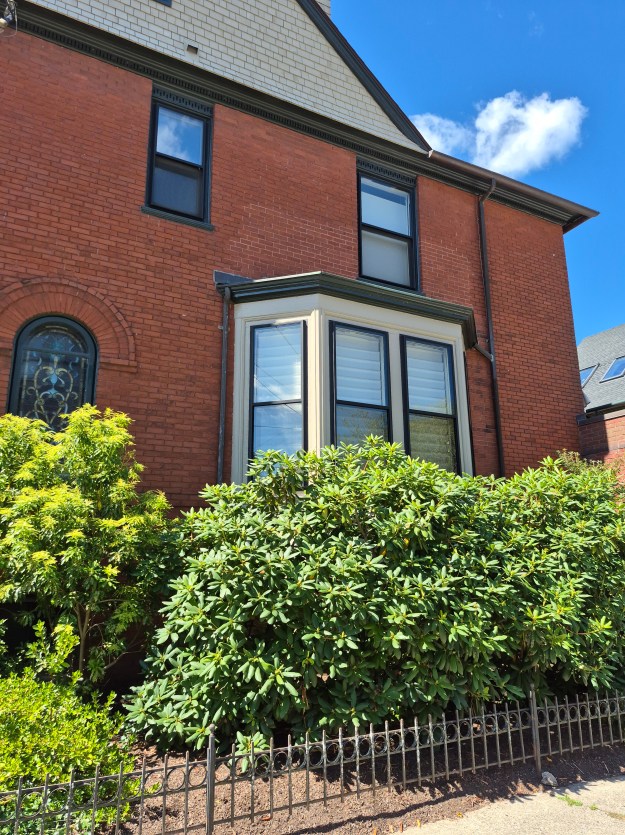
The Waugh block and our subject are, for all intents, identical. The stacked bays that draw the eye upward to the single dormers, minimal projecting details but for a belt line and decorative escutcheons are all the same. One feature of all of Stevens designs in this form are the entry porches that are integral with the body of the building. Where he got this idea is not clear. He didn’t utilize it anywhere else that I can tell although anyone who has spent time in a New England winter can attest to the value of a covered entry.
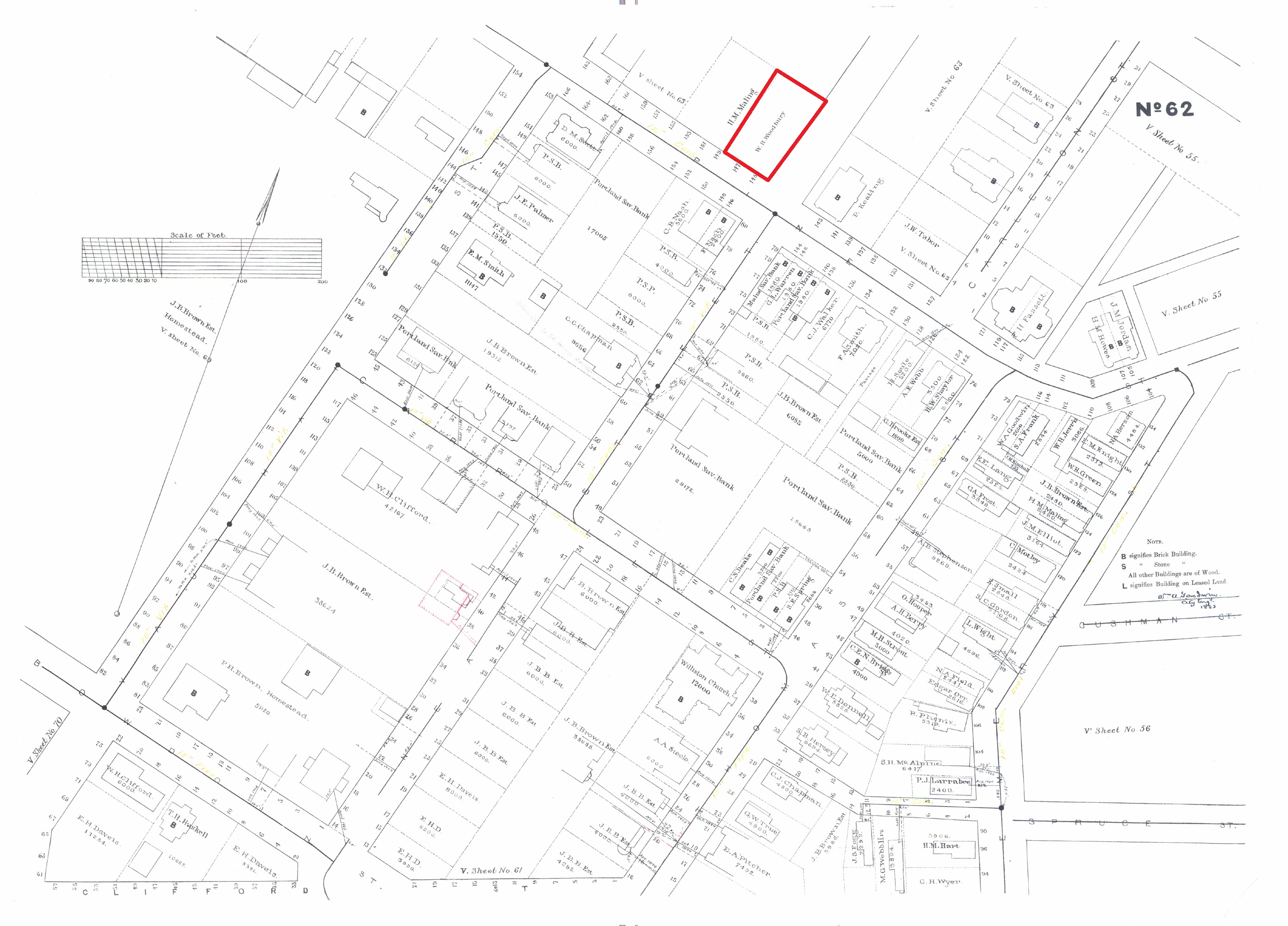
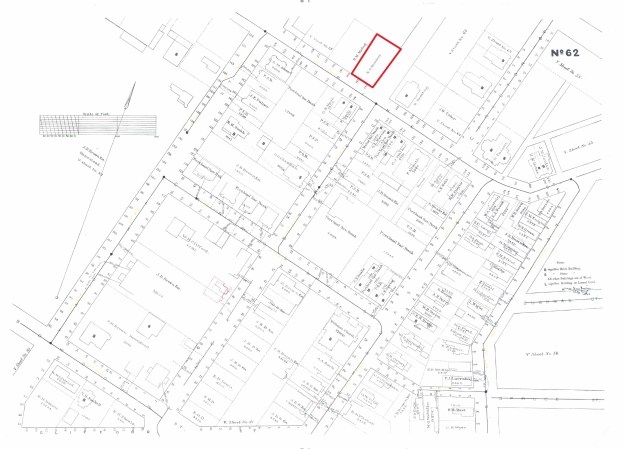
Henry Maling purchased the lot for 147-149 Pine Street from John Proctor in 1892 not long after building his own home next door at 151. In August of 1895, he sold westerly half of the lot to Ida Allen. Ida G Neal was born in Portland in 1852. She married Charles W Allen in 1875. Charles was born in Poland in 1848. He was an auctioneer by trade. They had 2 sons, Neal and John with John dying in childhood.
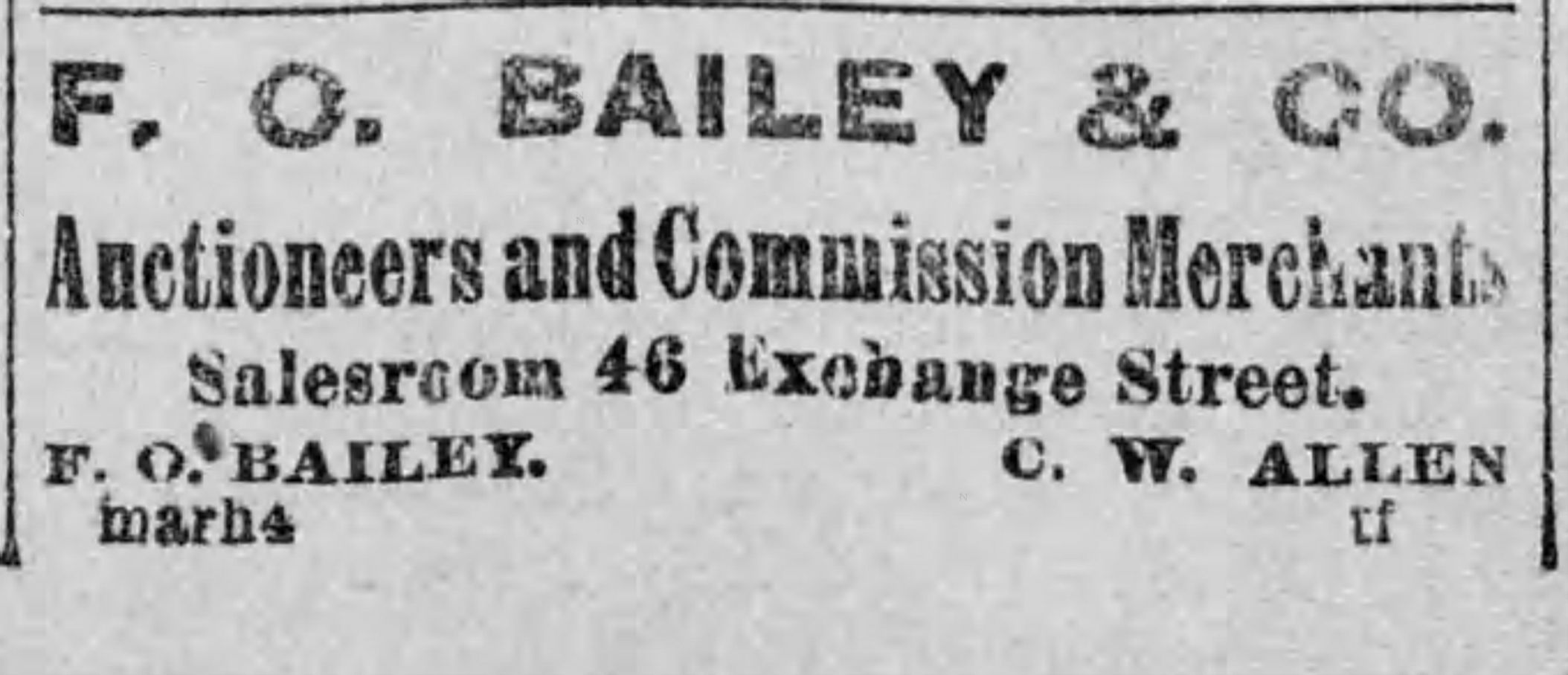
Wed, Dec 15, 1897 Newspapers.com
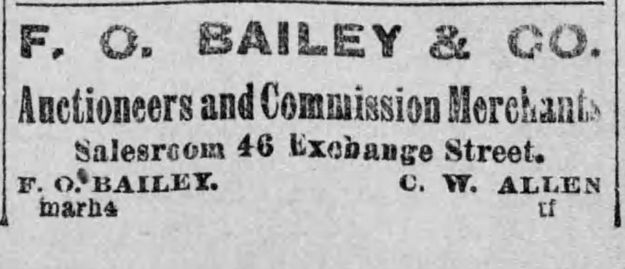
Charles Allen was an auctioneer who worked for F. O. Bailey & Company for over 30 years. He started as a clerk and worked his way up until he was a partner and worked in several different executive roles within the company’s different branches. Although best known for auctions and now real estate, the firm also made carriages and store furniture and sold motor cars.
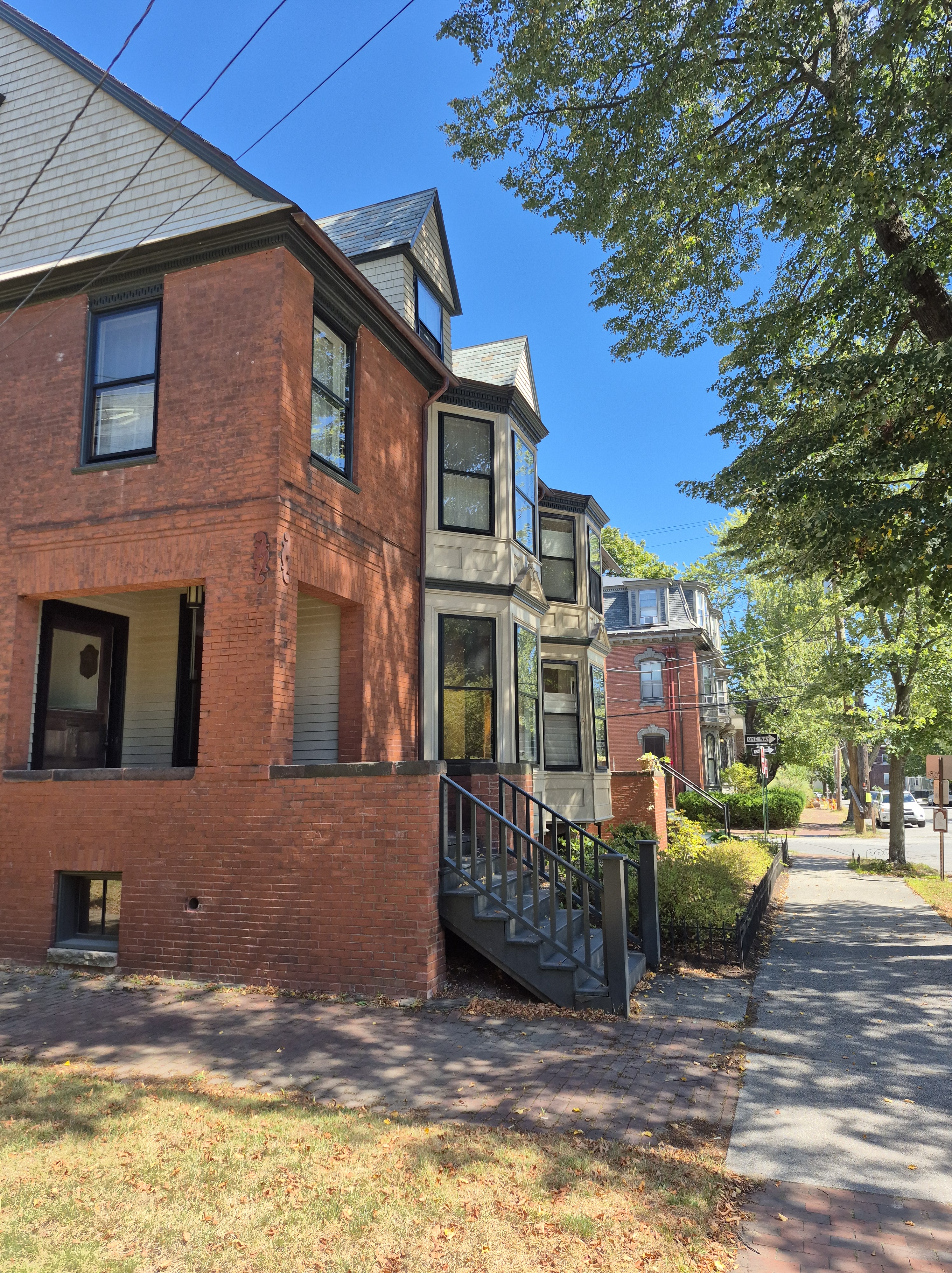
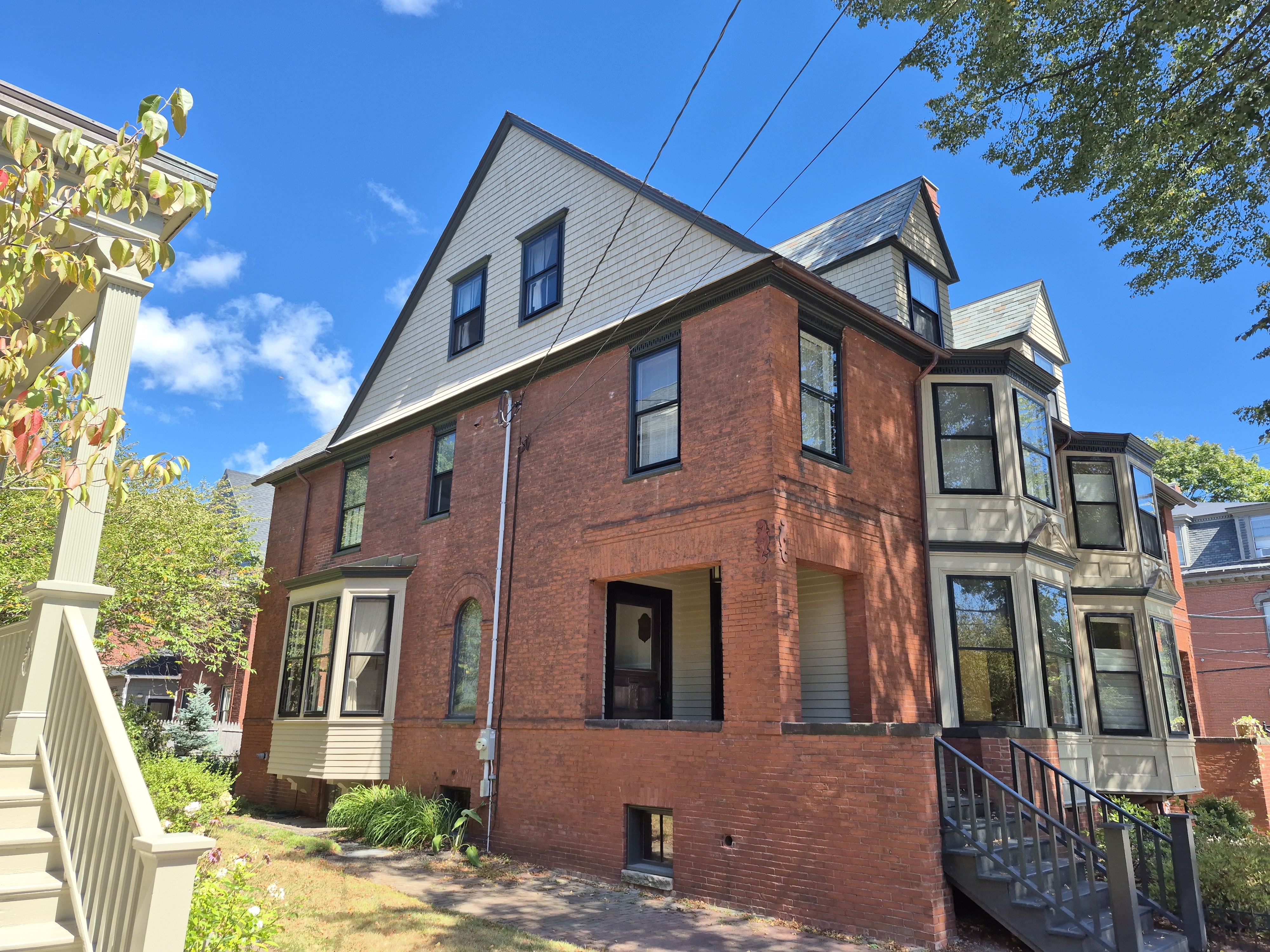
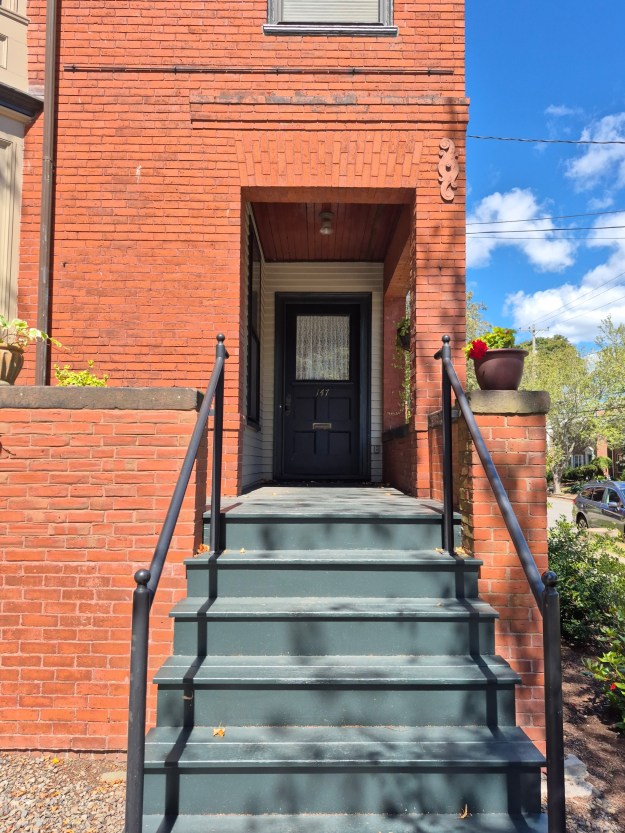
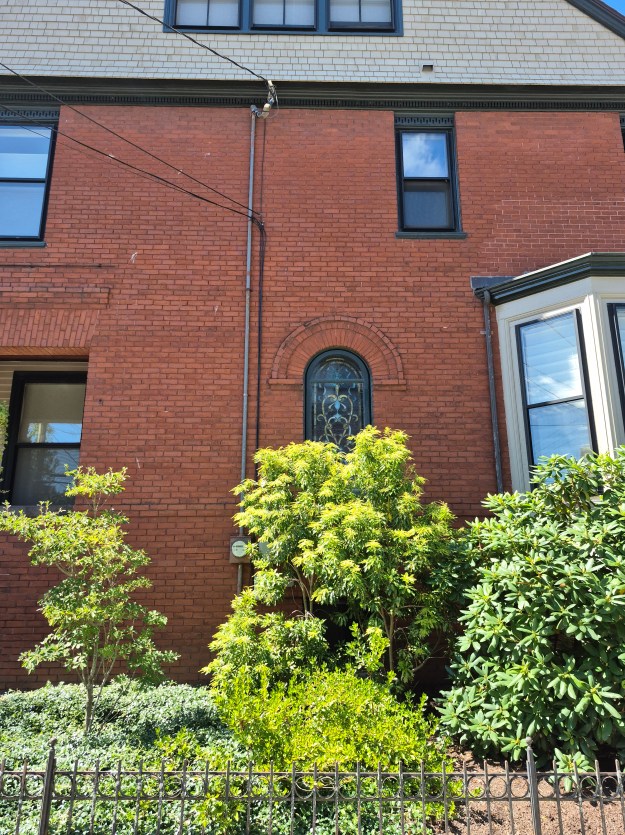
The masonry for 147-149 Pine Street is, for the most part, done in a common style. Laid in a running bond, the rosy bricks are set in a similar colored mortar that is held back from the surface. Other than the arched units on the sides, the windows are let into the wall plane with small sills. There is a short panel above the window that is decorated with a meander pattern. The highlight of the masonry is above the entry portals.
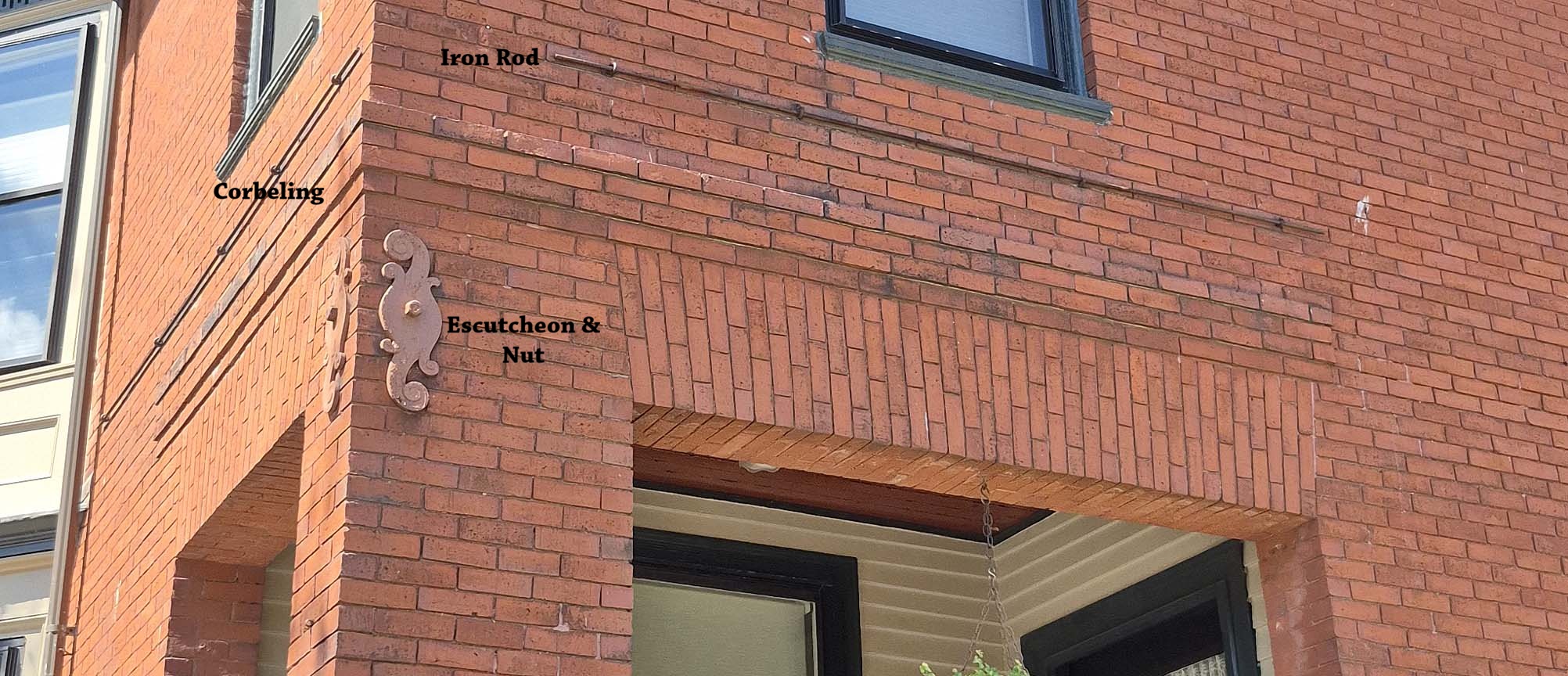
The openings for the entry porches of 147-149 Pine Street presented a challenge for the masons. Ideally, they would have simply built an arch over the span and be done with it. Here, possibly due to the second floor window/structure and relatively small corner piers, a ‘flat’ arch was needed. The vertical bricks fill the gap but have little resistance to the lateral/sideways force being placed on the piers. This force is held in place by the iron rods in the masonry and tensioned by the escutcheons and nuts on corners of the piers. One tier above the openings, there is a slight corbeling for 3 tiers. A few more tiers above the corbels, the is an iron rod held by eyelets set into the mortar. I do not know what the function of the iron rod is.
Maine Memory Network
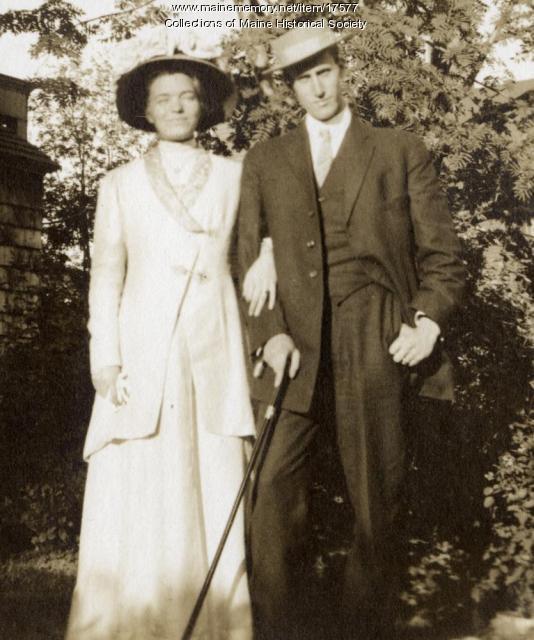
Charles Allen remained active with the F.O. Bailey until his death in 1912. By the time of his death, Neal Allen had joined the firm, married John Calvin Stevens daughter, Margaret, and the couple had moved to the house they built on Craigie Street. Ida lived here with her brother Frederick and sister Carrie in 1920 and then on her own in 1930. Ida Neal Allen died in 1937. Neal Allen inherited the property and retained it until 1948.
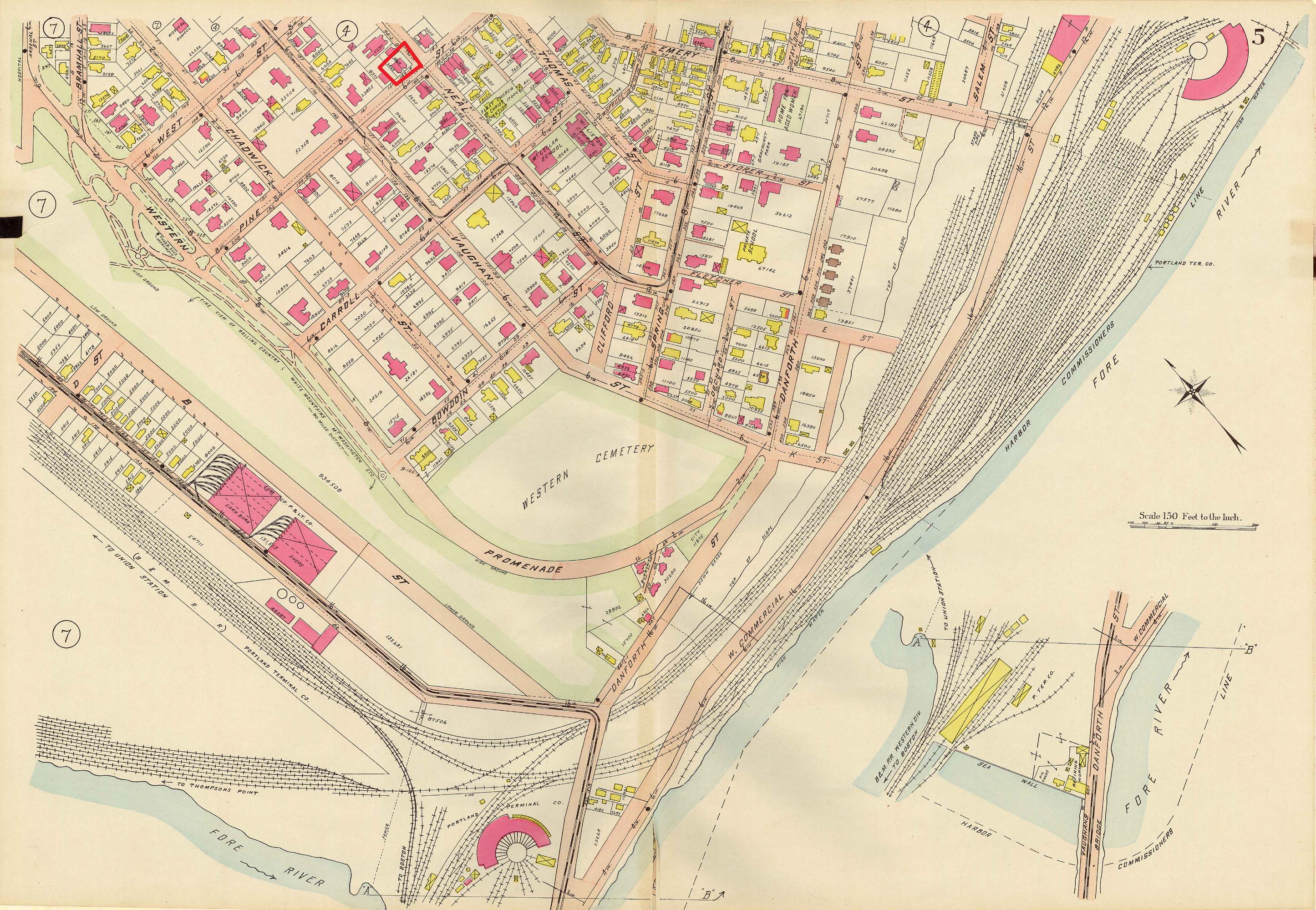
When Neal and Margaret Allen sold 149 Pine Street in 1948, the purchaser was Marion McDonald. Marion was the widow of Morris McDonald, the president of the Maine Central Railroad who had died in 1938. Marion lived here with various servants until 1976. Marion McDonald died in 1979.

149 Pine Street is listed as a single family residence. The condition is very good.
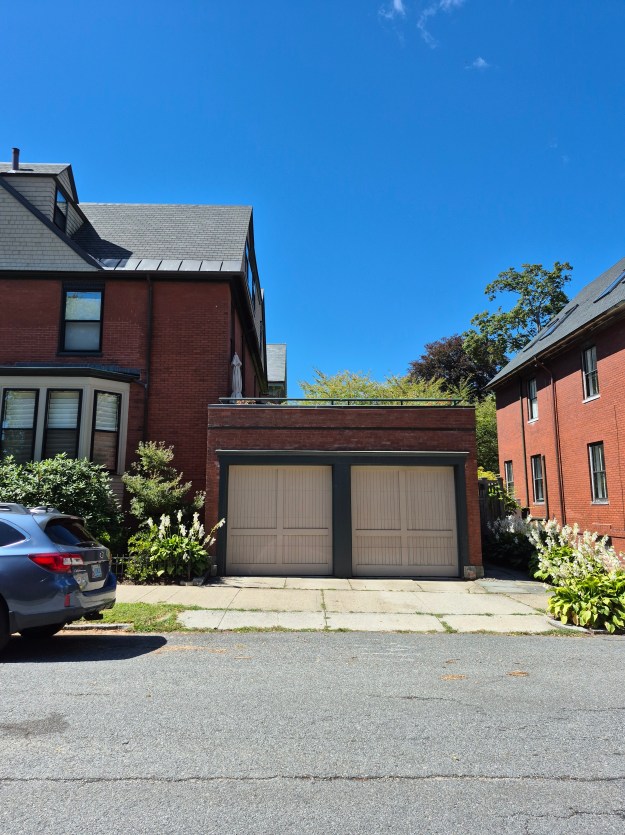
Part 2 of this series will look at 147 Pine Street where we will delve into penmanship and Portland schools, an artist and, wait for it, a garage. Sounds exciting no?
If you like what you just read, consider Buying Me A Coffee.

 Portland House Stories